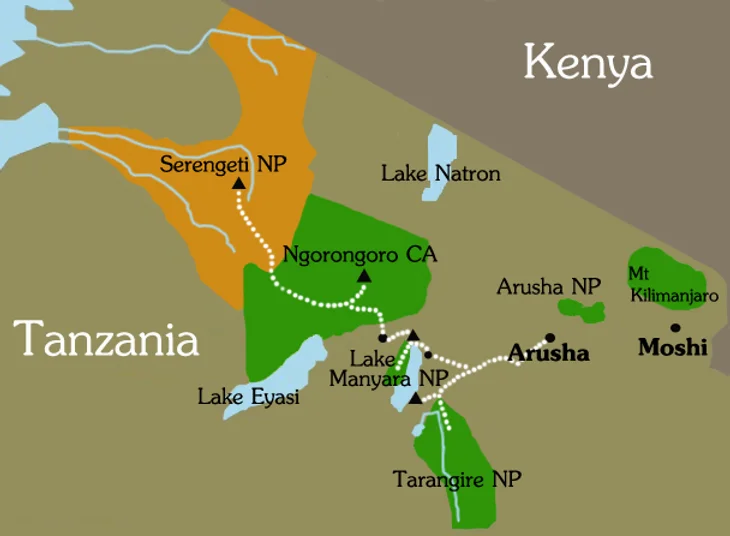
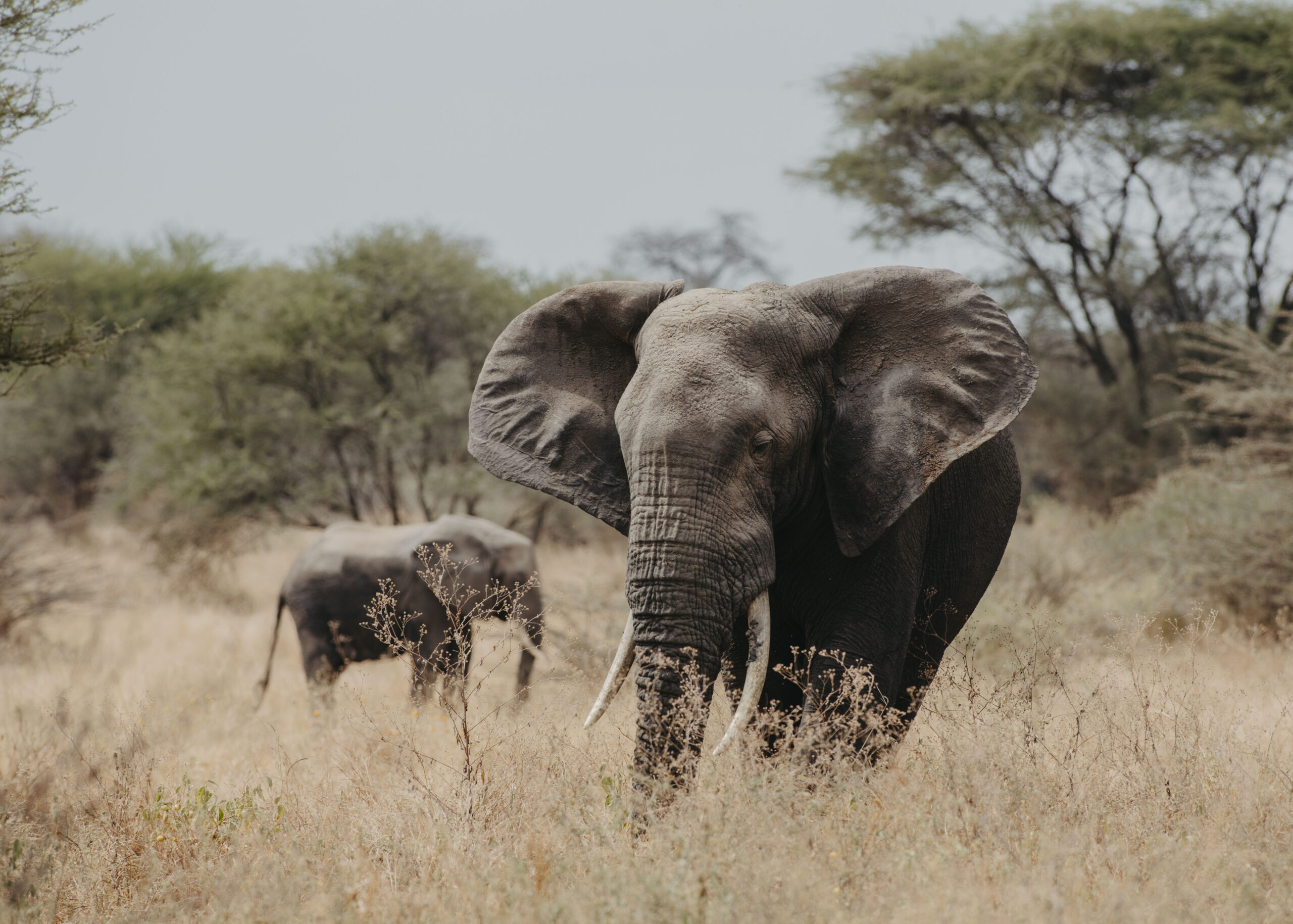
Embark on an unforgettable three-day safari through two of Tanzania’s most iconic wilderness destinations. Tarangire National Park captivates with its ancient baobab-studded landscapes and vast elephant herds — among the largest concentrations in Africa. Marvel at lions, leopards, and hundreds of bird species roaming the Tarangire River basin. Then descend into the magnificent Ngorongoro Crater, a UNESCO World Heritage Site and the world’s largest intact volcanic caldera, sheltering an extraordinary density of wildlife including the rare black rhino. This compact yet immersive safari delivers breathtaking scenery, rich biodiversity, and memories that last a lifetime.
At 8.00am you will be picked up from Arusha by your safari guide and driver. From there you will be driven through town to Tarangire National Park. On this 3 hours drive, you will get a chance to see the inner city as well as the more rural areas before reaching the gates of the park. On entering the park, you will be met with the beautiful Tanzanian wildlife within minutes. The next few hours will be spent driving through the park.
Lunch will be provided for you by your guide and there is no better way to enjoy lunch than sitting in a park overlooking elephants and zebra. Be sure to watch out for monkeys. They might have their eye on your snacks! After everyone is fed and rested, you will hit the road (or dirt path) once more in search of more game viewing. You will leave the park with plenty of time to reach your accommodation before nightfall. Watch the sunset from your camp or lodge and enjoy some rest before your next day of game driving.
You’ll start your day bright and early with a morning game drive in Tarangire. The early hours are the best times to see active wildlife. Lunch will be served in Tarangire Park before leaving the park for Ngorongoro Crater. On the 2 hours drive between parks, you will get a chance to see more of the natural terrain of Tanzania as well as more populated areas. On arrival at the park, you will settle into your accommodation and feast on a warm meal in preparation for our final day of safari.
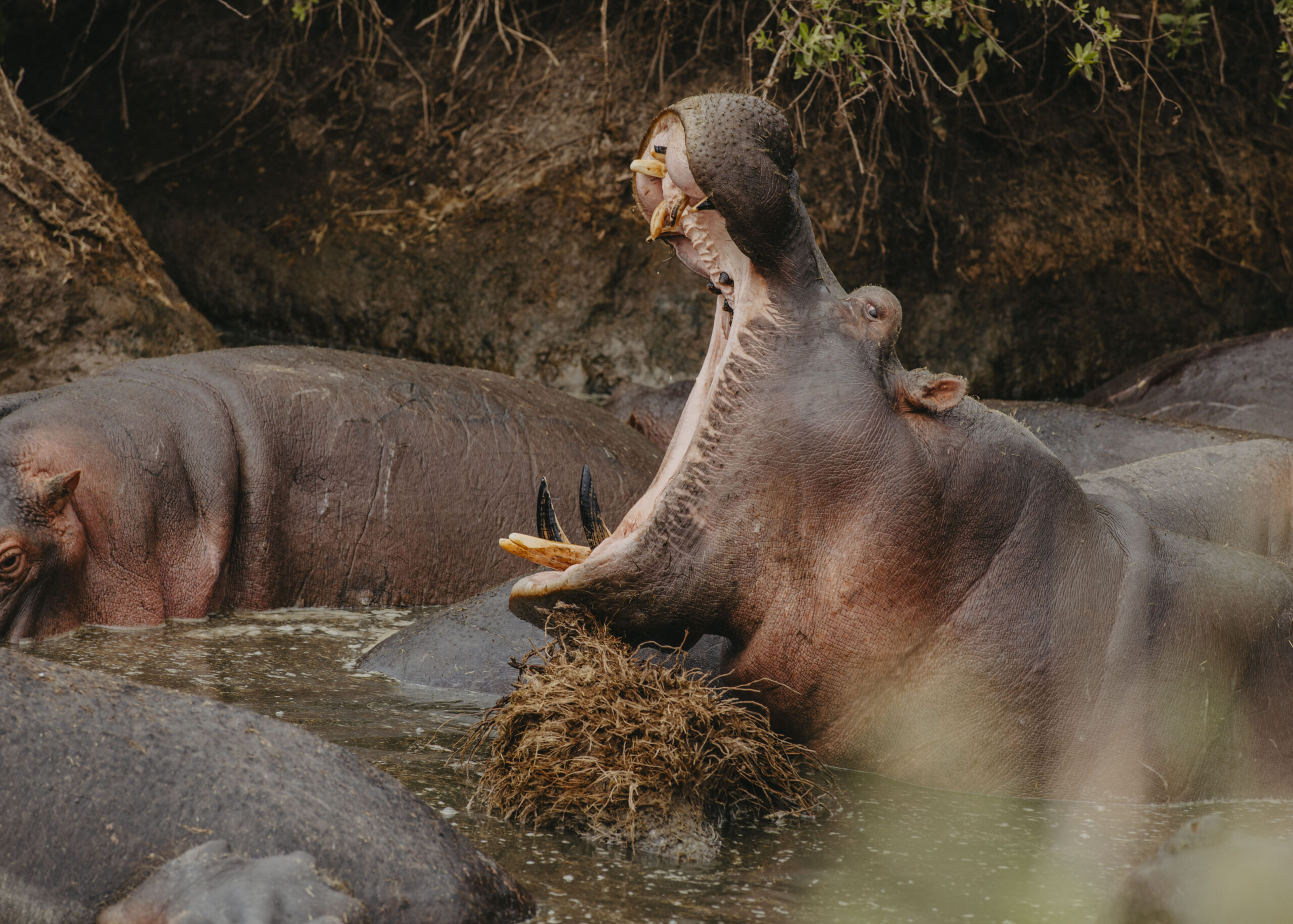
In the morning, you’ll start your day in the clouds, rising before the sun! After a warm breakfast, hop in your jeep and begin the 600m descent into the ‘world’s largest Caldera’. After your first few hours of game drive, you’ll be ready for a break! Lunch will be served at a beautifully scenic lakeshore where you can watch Hippo’s and birds while you eat. After your break, climb back onto your vehicle and head out in search of wildlife again! The Crater is known for its high concentration of exciting animals, in no time you will be witnessing more spectacular sites in this wonderfully picturesque park.As your last day of game viewing comes to an end, you will leave the park and drive back to Arusha.
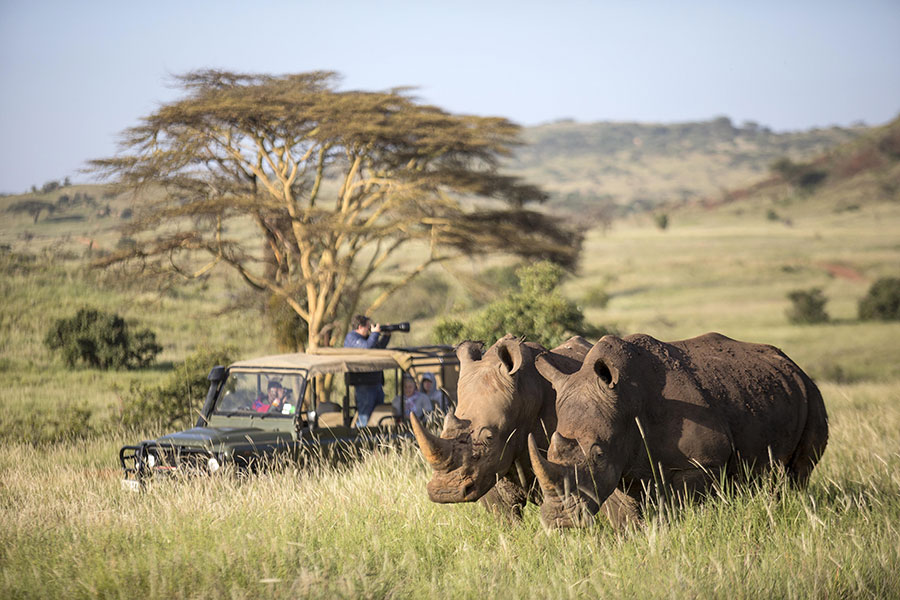
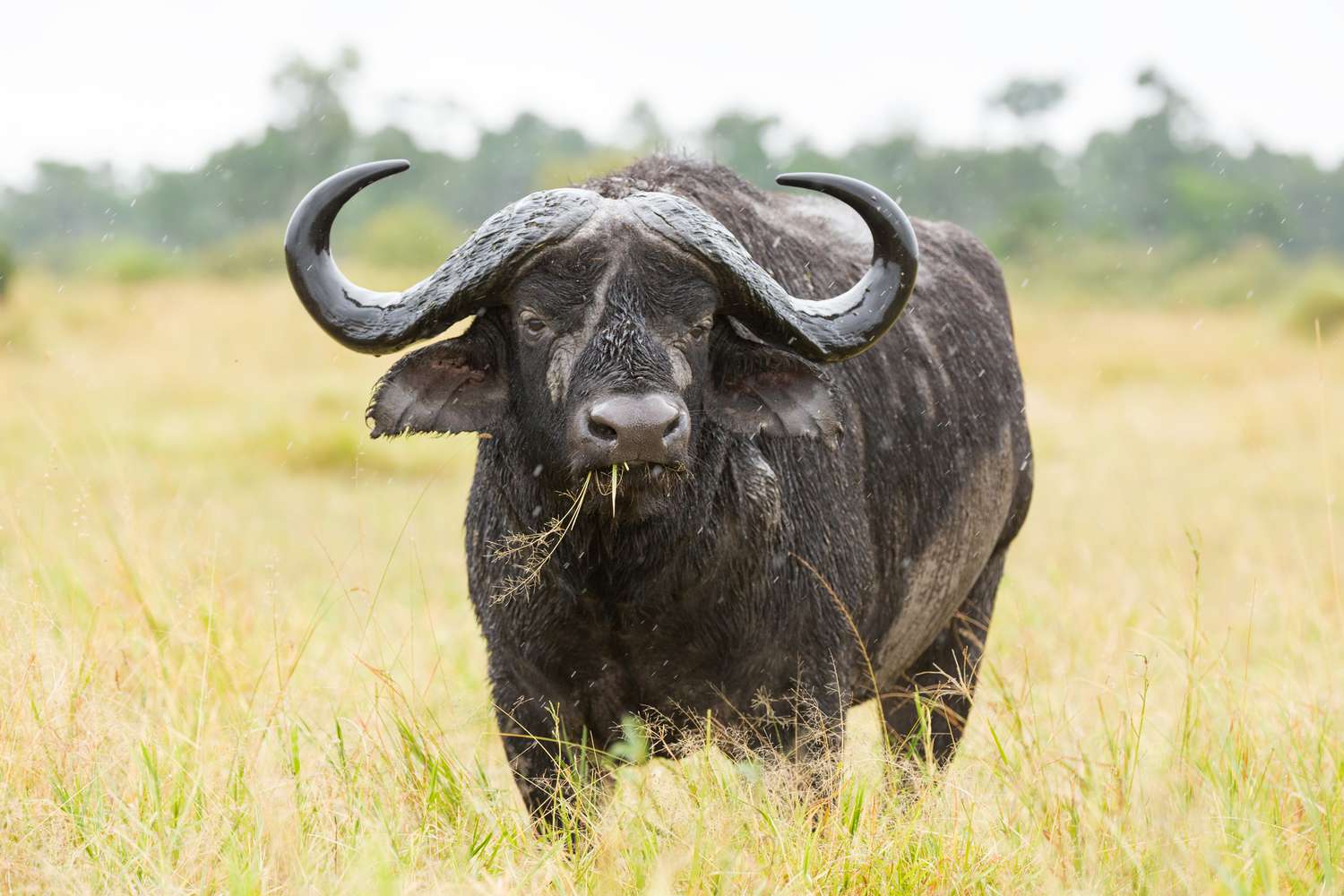
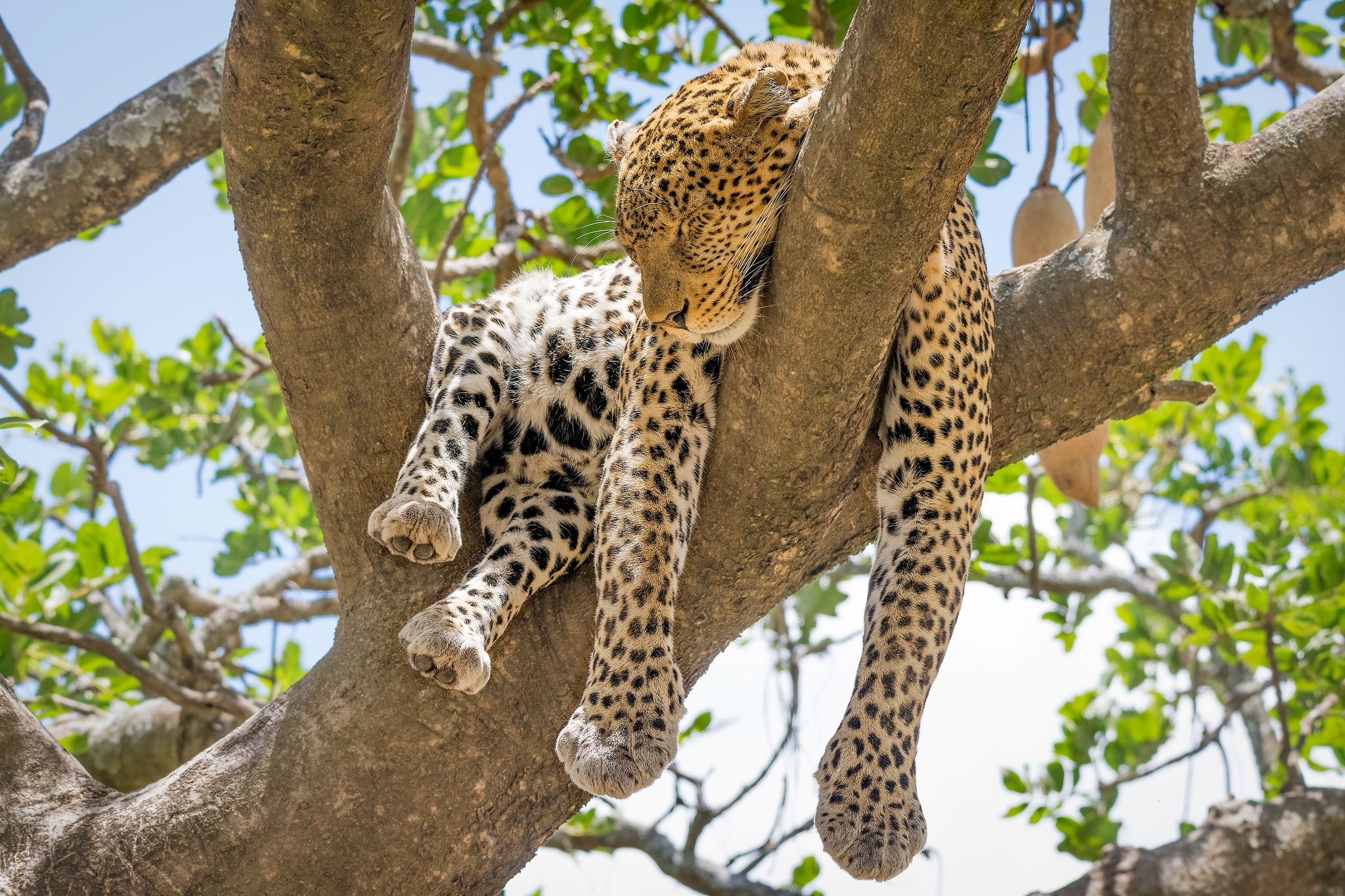
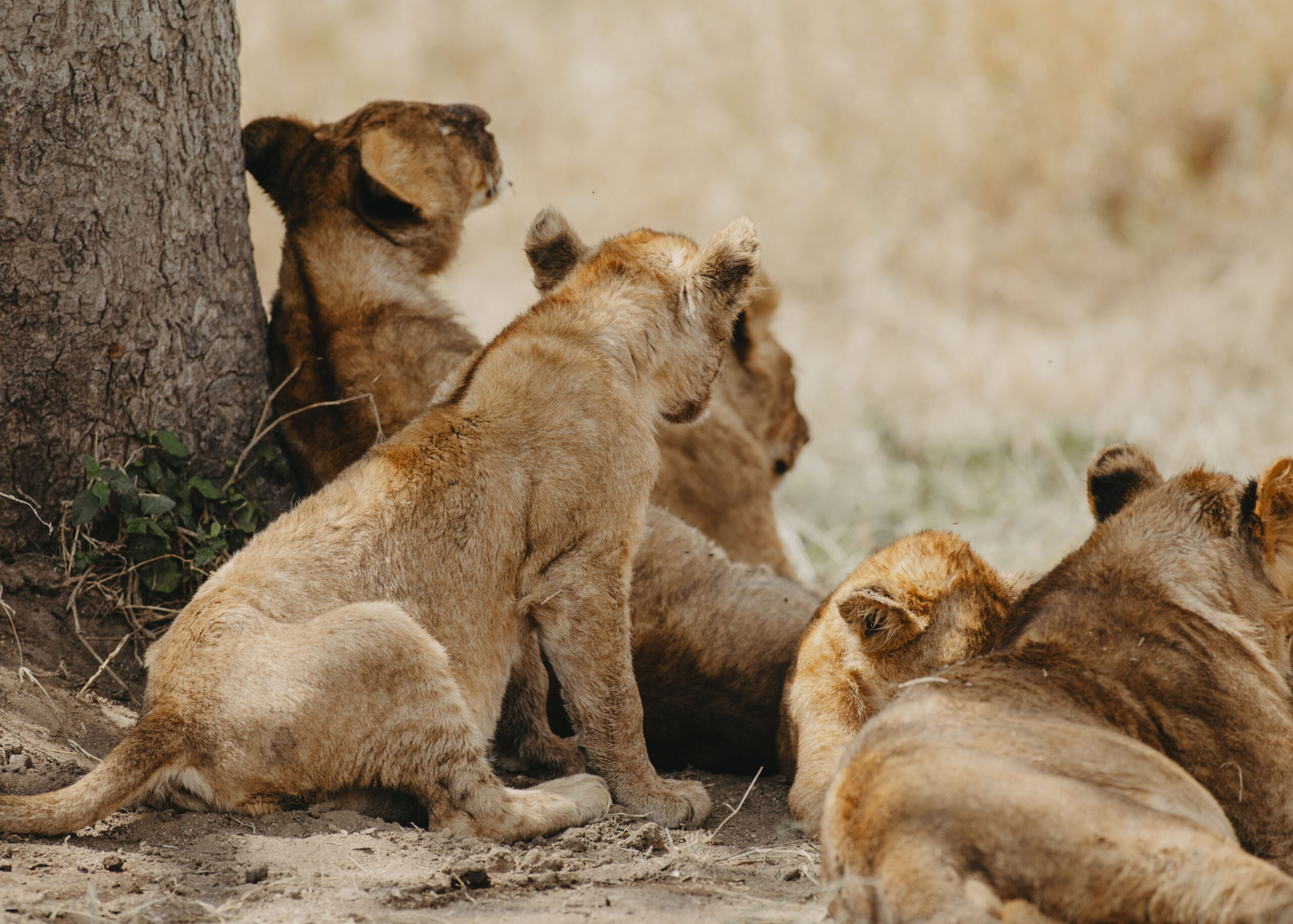
The Big Five of Tanzania—lion, leopard, elephant, African buffalo, and rhinoceros—are the country’s most iconic wildlife species, drawing visitors to parks like Serengeti, Ngorongoro Crater, and Tarangire. Lions roam the plains in prides, while elusive leopards rest in acacia trees. Elephants move in herds across vast landscapes, buffalo graze in large groups, and black rhinos, though rare due to past poaching, survive in protected sanctuaries like Ngorongoro. Together, they represent Tanzania’s extraordinary biodiversity and safari heritage.
Planning a Tanzania safari requires navigating key details around logistics, packing, and timing. The dry season (June to October) offers the best game viewing, while the world-renowned Great Migration moves through the Serengeti year-round
The Great Migration is the annual movement of over 1.5 million wildebeest, zebras, and gazelles across the Serengeti-Mara ecosystem. Tanzania’s Serengeti hosts the migration for most of the year, with dramatic river crossings from July to October.
Yellow fever vaccination is required if coming from an endemic country. Malaria prophylaxis is strongly recommended. Other recommended vaccines include Hepatitis A & B, typhoid, and tetanus. Consult your doctor 4–6 weeks before travel.
Tanzania is generally considered one of the safer safari destinations in Africa. Tourist areas are well-monitored, but standard travel precautions apply — avoid displaying valuables and follow your guide’s advice.
Accommodation, all meals, park fees, game drives, and transportation included. Most lodge safari packages are comprehensive, covering comfortable accommodation with private bathrooms, three daily meals, all national park entrance fees, professional guide services, game drives in 4WD vehicles, and airport transfers for a hassle-free experience.
Lodges offer private rooms, hot showers, restaurants, and enhanced comfort.
Safari lodges provide hotel-style amenities including en-suite bathrooms with hot water, comfortable beds, electricity, dining facilities, and often additional services like spa treatments, swimming pools, and evening entertainment while maintaining an authentic African wilderness atmosphere.
Most lodges cater to vegetarian, vegan, and special dietary needs. Safari lodges typically offer diverse menu options and can accommodate various dietary restrictions including vegetarian, vegan, gluten-free, and other special requirements. It’s recommended to inform your tour operator about specific dietary needs during booking.
Big Five, wildebeest migration, zebras, giraffes, and over 500 bird species.
Tanzania’s diverse ecosystems host incredible wildlife, including lions, elephants, leopards, rhinos, buffalo, cheetahs, hippos, crocodiles, various antelope species, and exceptional birdlife. Seasonal Great Migration offers spectacular wildebeest and zebra river crossings and calving periods.
Most vehicles accommodate 6-7 passengers with guaranteed window seats.
Safari vehicles are specially modified 4WD Land Cruisers or similar with pop-up roofs for optimal game viewing. Each passenger gets a guaranteed window seat and ample space for photography equipment, ensuring comfortable wildlife observation throughout your journey.
Yes, most lodges welcome families with special programs for kids.
Family-friendly lodge safaris offer children’s activities, educational programs, cultural experiences, and specialized game drives. Some lodges provide babysitting services, children’s meals, and family rooms. Minimum age restrictions may apply for certain activities for safety reasons.
The dry season (June–October) is ideal for wildlife viewing as animals gather around water sources. January–February is great for the calving season on the Serengeti plains, while March–May brings lush green landscapes but heavy rain.
Chat with us