This 4-day Tanzania Safari is a classic, allowing you to appreciate the essence of what Tanzanian nature can offer. We cannot promise you that, in such a short time, you will see absolutely everything that exists, as in addition to the season you will come to visit the parks, there is always the inevitable luck factor. A Safari is a huge hide-and-seek game, where the driver, who will accompany you, will be there to guide you through the immensity of these parks, and to flush out the most beautiful, the most fearful, and the most camouflaged of all the Animals. When entering a National Tanzanian Park, you will be immersed in the wilderness day and night. An experience like no other and unforgettable.
Day 0: You take your plane to come to Kilimanjaro International Airport- Tanzania.
Time: 1 h, Trip: ±66 km
Arriving at Kilimanjaro International Airport, a driver will wait for you at the exit, with your name on a billboard. He will then bring you to your hotel according to the grade you have chosen. According to your arrival time, the travel agent responsible will come to welcome you (afternoon or evening) and will brief you about your Safari.
Time: 5 h, Trip: ±257 km
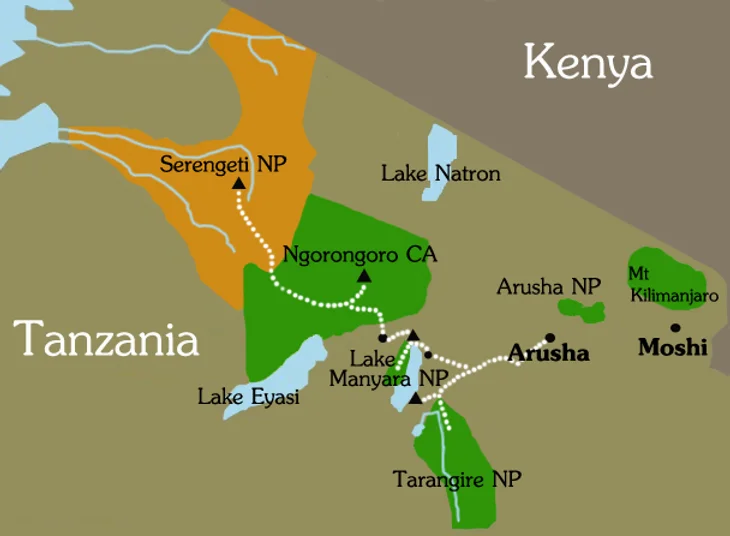
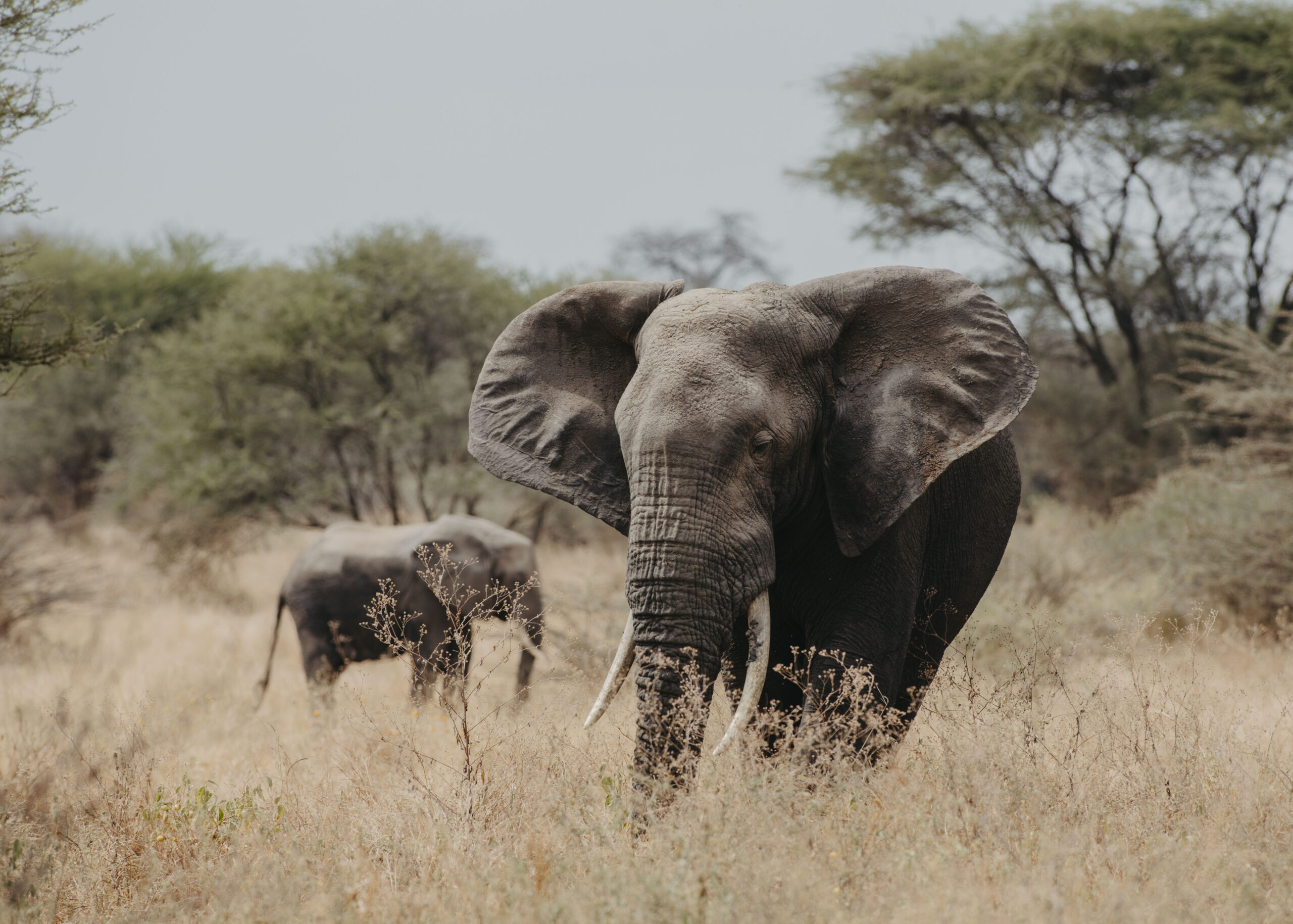
After breakfast, driver will meet you at the lobby, and ready to load your luggage in the car, then head direction Tarangire National Park for a game drive. Before reaching park gate, you will cross Tanzanian typical colourful villages and towns. If you need to purchase couple of extras, ask the driver to stop. Do not take too much time, not to arrive too late at park. The park runs along the line of the Tarangire river and is mainly made up of low-lying hills on the Great Rift Valley floor. Its natural vegetation mainly consists of Acacia woodland and giant African Baobab trees, with huge swamp areas in the south. Both, the river and the swamps, act like a magnet for wild animals, during Tanza-nia’s dry season. The Tarangire National Park is reputed to contain some of the largest Elephant herds in Africa. If luck is with you, you will see the Great Kudu and the Fringed-eared Oryx, two rare species of mammals. You will eat lunch at picnic area, after which you continue with game drive until late eve-ning, and then end to the accommodation, according to the chosen grade for overnight.
Time: 6 h, Trip: ±300 km
Today will be a long trip toward north. After early breakfast we head to Serengeti National Park. You will pass by the beautiful high lying farmland of Karatu village, Ngorongoro Con-servation Area with a stop by the top of the crater. Leaving the highlands behind, we descend into the heart of wild Africa Serengeti National Park with its endless plains, rolling into the distance as far as the eye can see. Getting not far from Olduvai where oldest human trace was found, we cross the Masaï limit area with the national park, have a registration stop at Naabi hill gate, and head to the central park area known as the Seronera area. It is one of the richest wildlife habitats in the park, featuring the Seronera River, which provides a valuable water source to this area and therefore attracts wildlife well representative of most of the Serengeti’s species. We arrive in time for lunch, and enjoy an afternoon game drive in Serengeti National Park. Dinner and overnight in the Seronera area, as per the chosen grade.
Time:4 h, Trip: ±150 km
As morning and evening are the main animals activity, you will wake up early in morning for sunrise game drive, increasing the chance to see a lion hunt, then return back to your ac-commodation area for breakfast. Then, you continue with game drive until lunch time forecasted at Naabi Hill Gate (depend on schedule). After lunch you head to Ngorongoro Crater for overnight. On the way you can experience the Maasaï traditional life style and experience, as little bit of these cultural people lives in the Ngorongoro Conservations. Maasaï meens the people who speak Maa language. No-mads, they originally came from Sudan, lake Turkana in the northern part of Kenya. Around the 15 Cen-tury, they established between Mount Kenya and Kilimanjaro. Their resistance helped to generate a ro-mantic vision of the Maasaï way of life, considered as an example of harmony with nature.
Time: 6 h, Trip: ±280 km
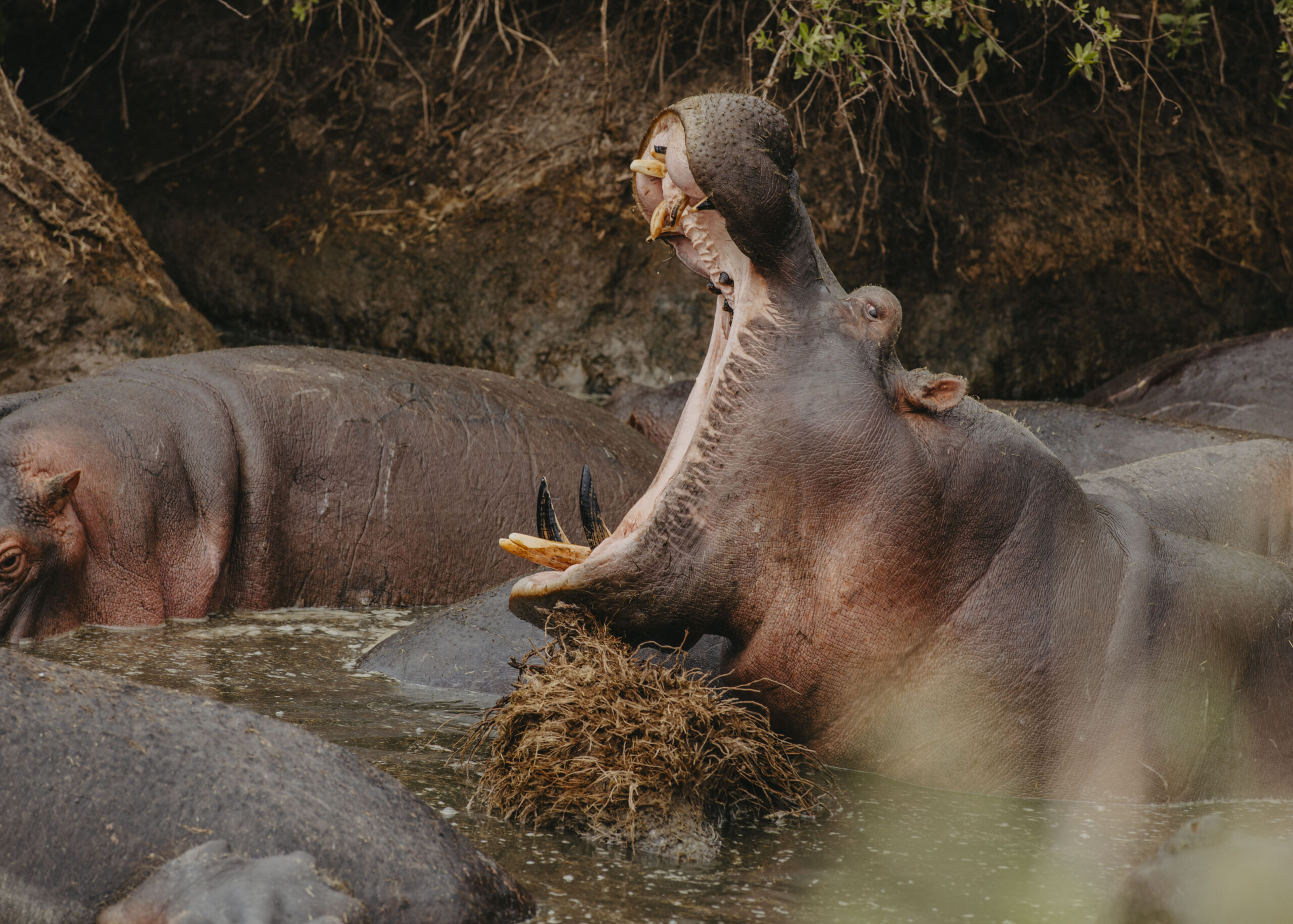
Try to wake up early, as after breakfast you will descend over 600 meters into the crater for half day game drive. Supported by a year round water supply and fodder, the Ngorongoro National Park supports a vast variety of animals, which include herds of wildebeests, zebras, buffalos (Mgobo), elands, warthogs, hippos, giant African Elephants, and Rhinoceros. Another big draw card to this picturesque national park, is it’s dense population number of predators, which include lions, hyenas, jackals, cheetahs and the ever elusive leopard which sometimes requires a trained eye to spot. You will visit Lake Magadi a large but shallow alkaline lake in the southwest corner, with magnificent crown cranes, snake bird, bustard, which are among the main features been seen there. You continue south east, to reach Ngoitokitok picnic area where thousand of colourful different species of birds are leaving. After lunch you will start to ascend from Crater and return back to Hotel full of unforgettable images in mind.
Time: 1 h, Trip: ±66 km
After breakfast, according to you flight schedule, you have maybe the possibility to stroll in Moshi and have a look at the market, bus station, etc., and buy last souvenirs, Tanzanian coffee, …What ever you decide, according to your schedule, a car will wait for you at the hotel and pick you up, 3 hours before departure time, or in any case before 12.00 am to liberate your room.
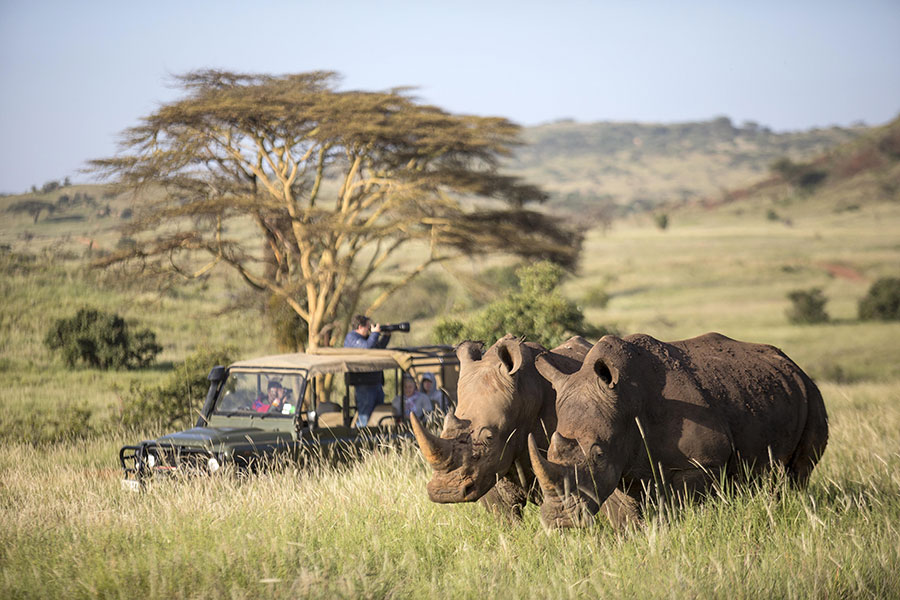
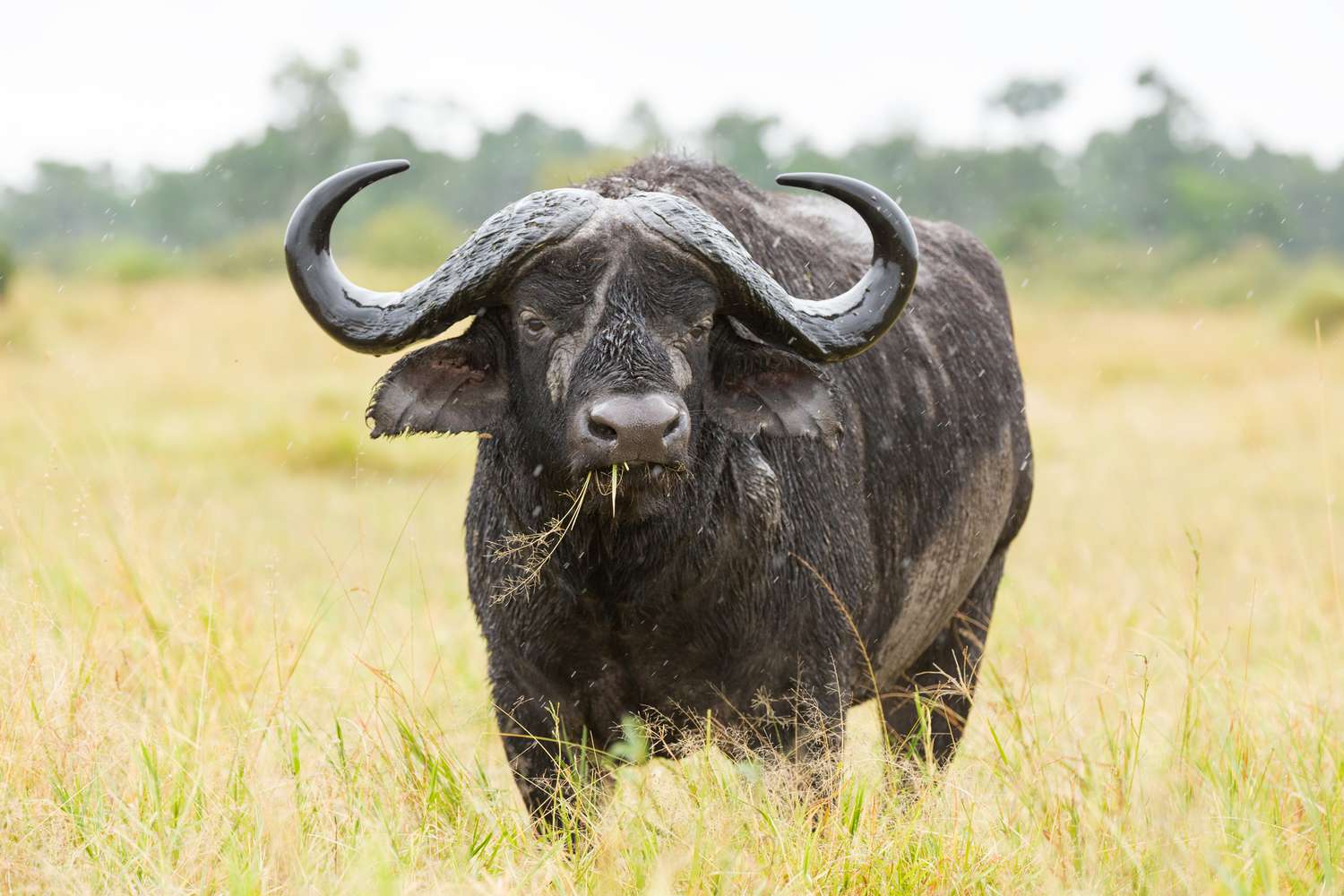
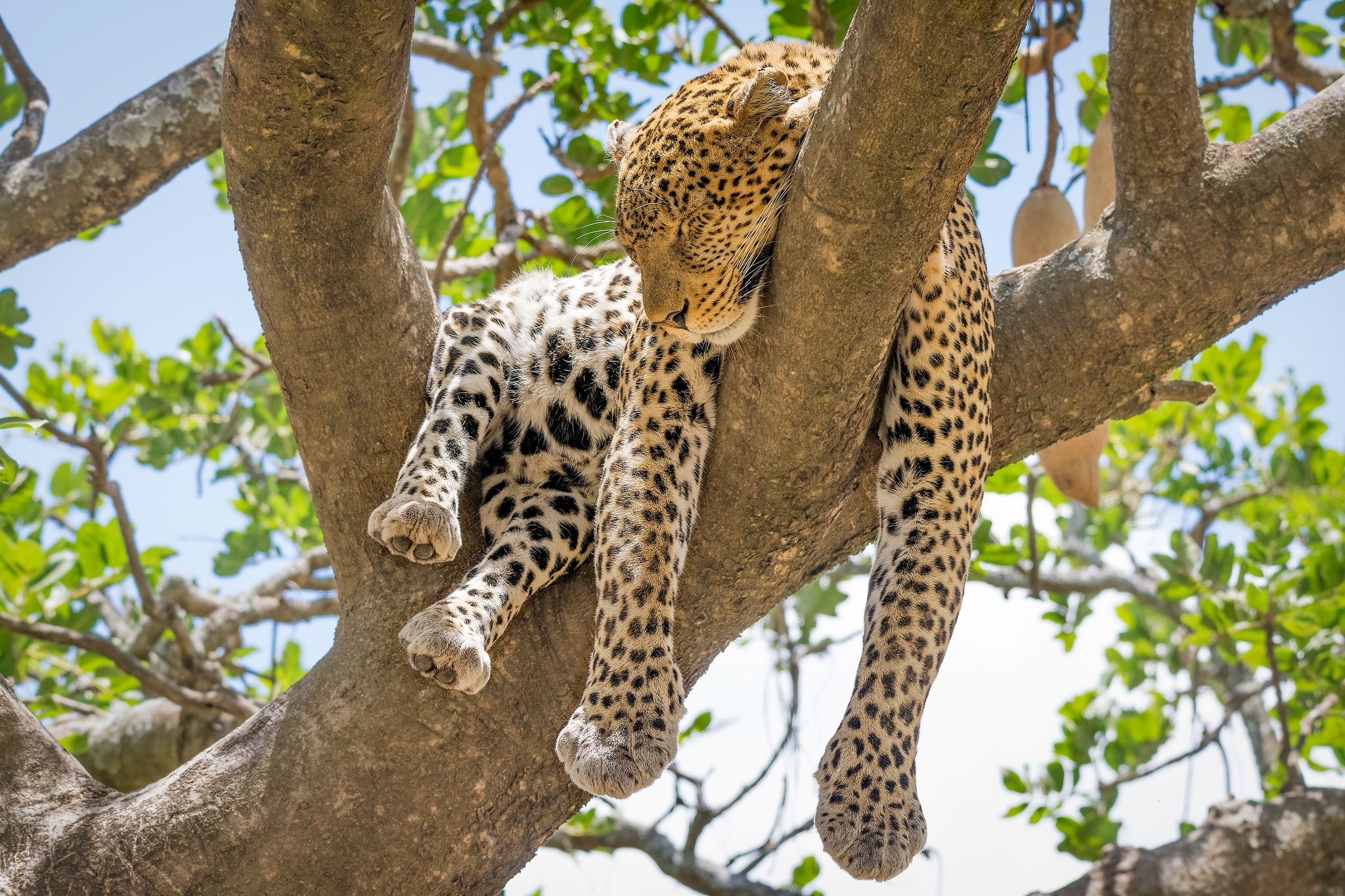
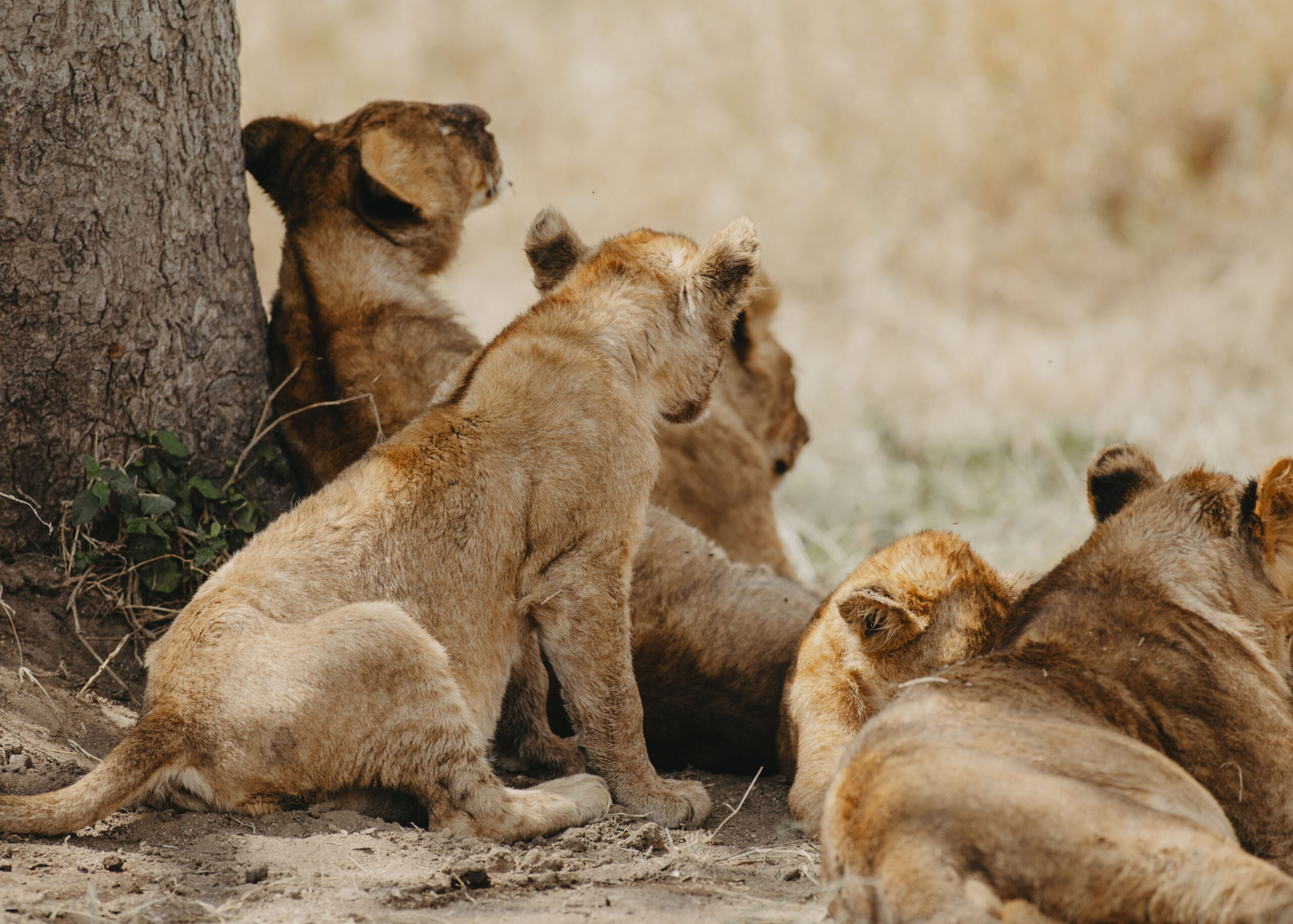
The Big Five of Tanzania—lion, leopard, elephant, African buffalo, and rhinoceros—are the country’s most iconic wildlife species, drawing visitors to parks like Serengeti, Ngorongoro Crater, and Tarangire. Lions roam the plains in prides, while elusive leopards rest in acacia trees. Elephants move in herds across vast landscapes, buffalo graze in large groups, and black rhinos, though rare due to past poaching, survive in protected sanctuaries like Ngorongoro. Together, they represent Tanzania’s extraordinary biodiversity and safari heritage.
Planning a Tanzania safari requires navigating key details around logistics, packing, and timing. The dry season (June to October) offers the best game viewing, while the world-renowned Great Migration moves through the Serengeti year-round
The Great Migration is the annual movement of over 1.5 million wildebeest, zebras, and gazelles across the Serengeti-Mara ecosystem. Tanzania’s Serengeti hosts the migration for most of the year, with dramatic river crossings from July to October.
Yellow fever vaccination is required if coming from an endemic country. Malaria prophylaxis is strongly recommended. Other recommended vaccines include Hepatitis A & B, typhoid, and tetanus. Consult your doctor 4–6 weeks before travel.
Tanzania is generally considered one of the safer safari destinations in Africa. Tourist areas are well-monitored, but standard travel precautions apply — avoid displaying valuables and follow your guide’s advice.
Accommodation, all meals, park fees, game drives, and transportation included. Most lodge safari packages are comprehensive, covering comfortable accommodation with private bathrooms, three daily meals, all national park entrance fees, professional guide services, game drives in 4WD vehicles, and airport transfers for a hassle-free experience.
Lodges offer private rooms, hot showers, restaurants, and enhanced comfort.
Safari lodges provide hotel-style amenities including en-suite bathrooms with hot water, comfortable beds, electricity, dining facilities, and often additional services like spa treatments, swimming pools, and evening entertainment while maintaining an authentic African wilderness atmosphere.
Most lodges cater to vegetarian, vegan, and special dietary needs. Safari lodges typically offer diverse menu options and can accommodate various dietary restrictions including vegetarian, vegan, gluten-free, and other special requirements. It’s recommended to inform your tour operator about specific dietary needs during booking.
Big Five, wildebeest migration, zebras, giraffes, and over 500 bird species.
Tanzania’s diverse ecosystems host incredible wildlife, including lions, elephants, leopards, rhinos, buffalo, cheetahs, hippos, crocodiles, various antelope species, and exceptional birdlife. Seasonal Great Migration offers spectacular wildebeest and zebra river crossings and calving periods.
Most vehicles accommodate 6-7 passengers with guaranteed window seats.
Safari vehicles are specially modified 4WD Land Cruisers or similar with pop-up roofs for optimal game viewing. Each passenger gets a guaranteed window seat and ample space for photography equipment, ensuring comfortable wildlife observation throughout your journey.
Yes, most lodges welcome families with special programs for kids.
Family-friendly lodge safaris offer children’s activities, educational programs, cultural experiences, and specialized game drives. Some lodges provide babysitting services, children’s meals, and family rooms. Minimum age restrictions may apply for certain activities for safety reasons.
The dry season (June–October) is ideal for wildlife viewing as animals gather around water sources. January–February is great for the calving season on the Serengeti plains, while March–May brings lush green landscapes but heavy rain.
Chat with us