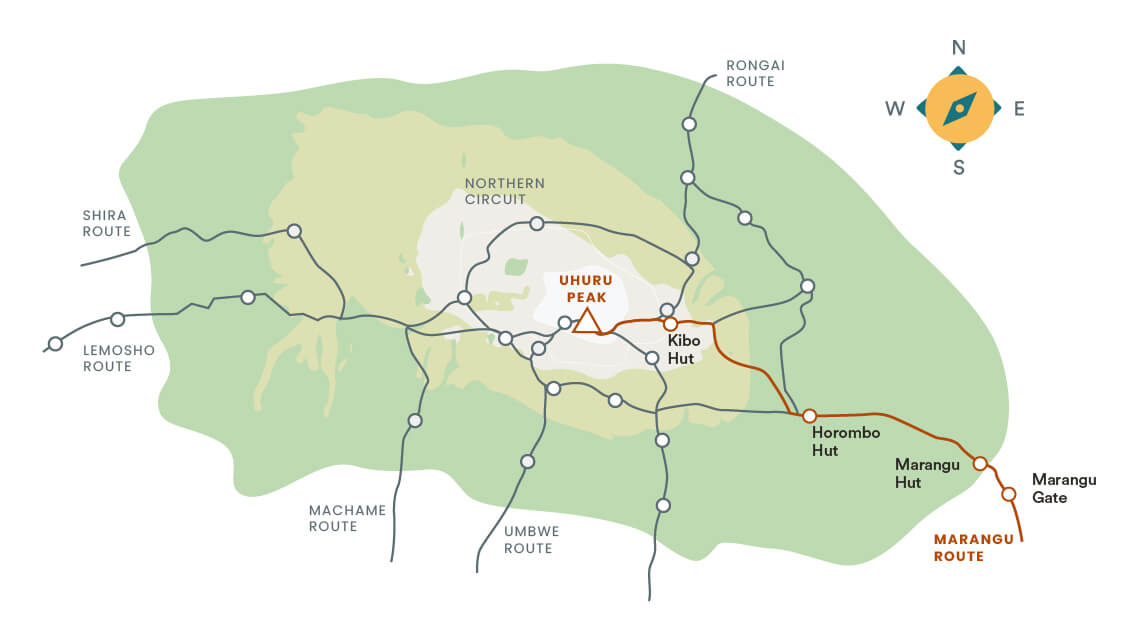
The Marangu Route offers a 5-day ascent of Mount Kilimanjaro, Africa’s highest peak, and stands out as the only route offering hut accommodation instead of camping, making it a popular choice for first-time trekkers seeking added comfort. Climbers journey through lush rainforest, open moorland, and stark alpine desert before the final summit push to Uhuru Peak at 5,895 meters. Though shorter and generally more affordable than other routes, its compressed acclimatization schedule tends to result in a lower summit success rate compared to longer itineraries like Machame or Lemosho. Supported by experienced guides, porters, and well-maintained mountain huts, the Marangu Route remains a favorite for travelers wanting an accessible, budget-friendly, and time-efficient Kilimanjaro climbing experience.
You will have a chance to familiarize yourself with your guides, chefs, and porters before
departing the hotel in Arusha. You will begin your 7-day Luxury Kilimanjaro Marangu Route journey to the summit of Mount Kilimanjaro after completing the gate registration. Our final destination is the Mandara Hut. Once we arrive, you can decide whether you want to relax for the rest of the day or take a stroll to the Maundi Crater. If you face northwest, you will see the striking Mawenzi Peak, which resembles a crown in the sky with its prickly edges. Turn to the east, and you will see the picturesque landscapes of Taveta. Visiting on a day with clear skies will ensure that you get maximum viewing pleasure. You will spend the night in the A-frame Mandara Huts, which accommodate up to seventy people and feature beds with mattresses. There are several sleeping huts and a dining area.
We will start heading towards Horombo Hut after breakfast. The environment will shift drastically as the 7 Days Marangu Route requires us to travel through Mount Kilimanjaro’s moorland, a rock-strewn desert plain with succulent plants. There will be a picnic lunch at Kambi ya Taabu during the hike. If the skies are clear, you will have a chance to witness the scenic views of the Mawenzi and
Kibo peaks. We will arrive at the Horombo Huts at approximately 3:00 pm, and the afternoon can be spent relaxing. The Horombo Huts are exceptionally busy, but they’re considered to be the finest huts on Mount Kilimanjaro National Park. The little A-frame huts can house a maximum of eight people and provide suitable lodging for hikers ascending, descending, and acclimatizing. They can accommodate a maximum of 120 hikers with additional room for porters, chiefs, and guides.
After breakfast, we will hike through the moorland and the alpine desert region of Mount Kilimanjaro. After hiking for about an hour, we will encounter a small mountain stream called the Maua River. Once you pass Maua, you will notice that the terrain gets smoother and the vegetation starts to diminish. We will have an appetizing lunch at the Middle Red Hill. We will continue our trek shortly after lunch and spend the next tour hours traveling to Kibo on a steady incline through Mount Kilimanjaro’s Saddle. The silver lining to traveling through a barren desert is the breathtakingly stunning vista of the Kibo and Mawenzi peaks. You will reach the Kibo Hut in the afternoon. It is recommended that you rest and prepare for your midnight climb.
The final leg of your journey is the ascent to Uhuru Peak, which has been awarded the title‘The Roof of Africa’. We will leave shortly after midnight and begin with the strenuous five-hour hike to Gillman’s Point on the crater rim. William’s Pointis the first major rest stop, and it usually takes two hours from the Kibo Hut to arrive at the five thousand metre mark. After thirty minutes of hiking, you will reach the rocky bends and twists that continue for over six hundred metres or until you reach Gillman’s Point. You will have a chance to stop at the Kibo Hut to rest and enjoy some energy-dense snacks. We will reach the Horombo Huts in the afternoon, and you can spend the time enjoying your last moments on the mountain.
We will finish our hike by descending to the Marangu Gate after breakfast. The final hike issimply magical. You will hike amid the gods in Mount Kilimanjaro’s tranquilcloud forest. We advise that you watch your step, as the trail can be fairly slippery. Our company vehicles will be waiting for us at Marangu Gate to drive us back to Moshi to the hotel. You will have an opportunity to buy sodas andsouvenirs to prove that the 7-Day Marangu Route was conquered.
Accommodation: The Maridadi Hotel (Moshi)-based Bed & Breakfast
Included in the Package
Excluded from the Package
Hiking Mount Kilimanjaro is an extraordinary journey through five distinct climate zones — from lush rainforest and moorland to alpine desert and arctic summit. Each day brings dramatic scenery, physical challenge, and profound personal achievement. Expect cold nights, breathtaking sunrises, and the very real effects of altitude as you ascend. Your experienced guides and dedicated porters support every step of the way, ensuring your safety and comfort throughout. The final summit push to Uhuru Peak at midnight is demanding but deeply rewarding, offering an unmatched sense of accomplishment and unforgettable panoramic views across the African continent below.
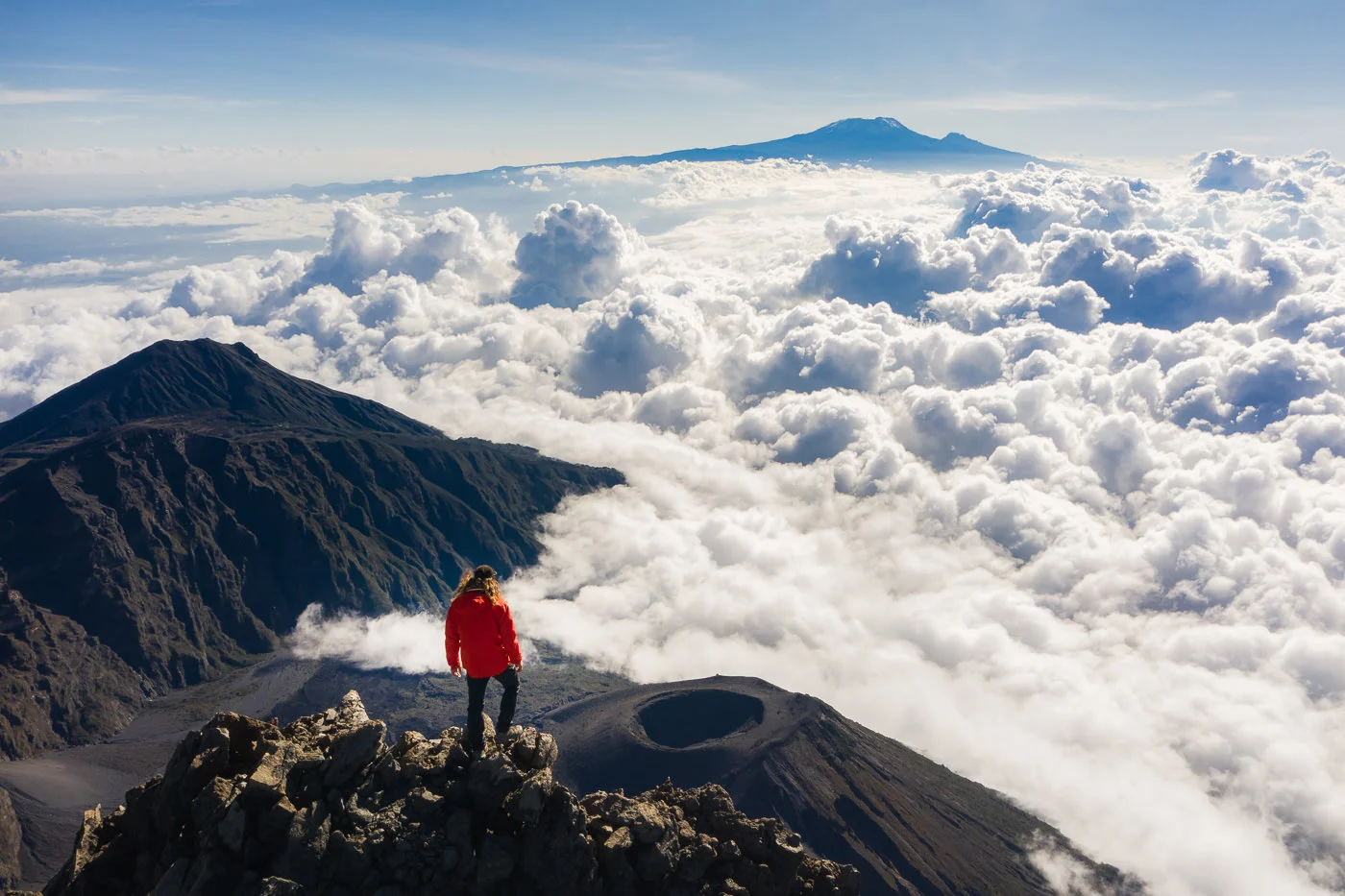
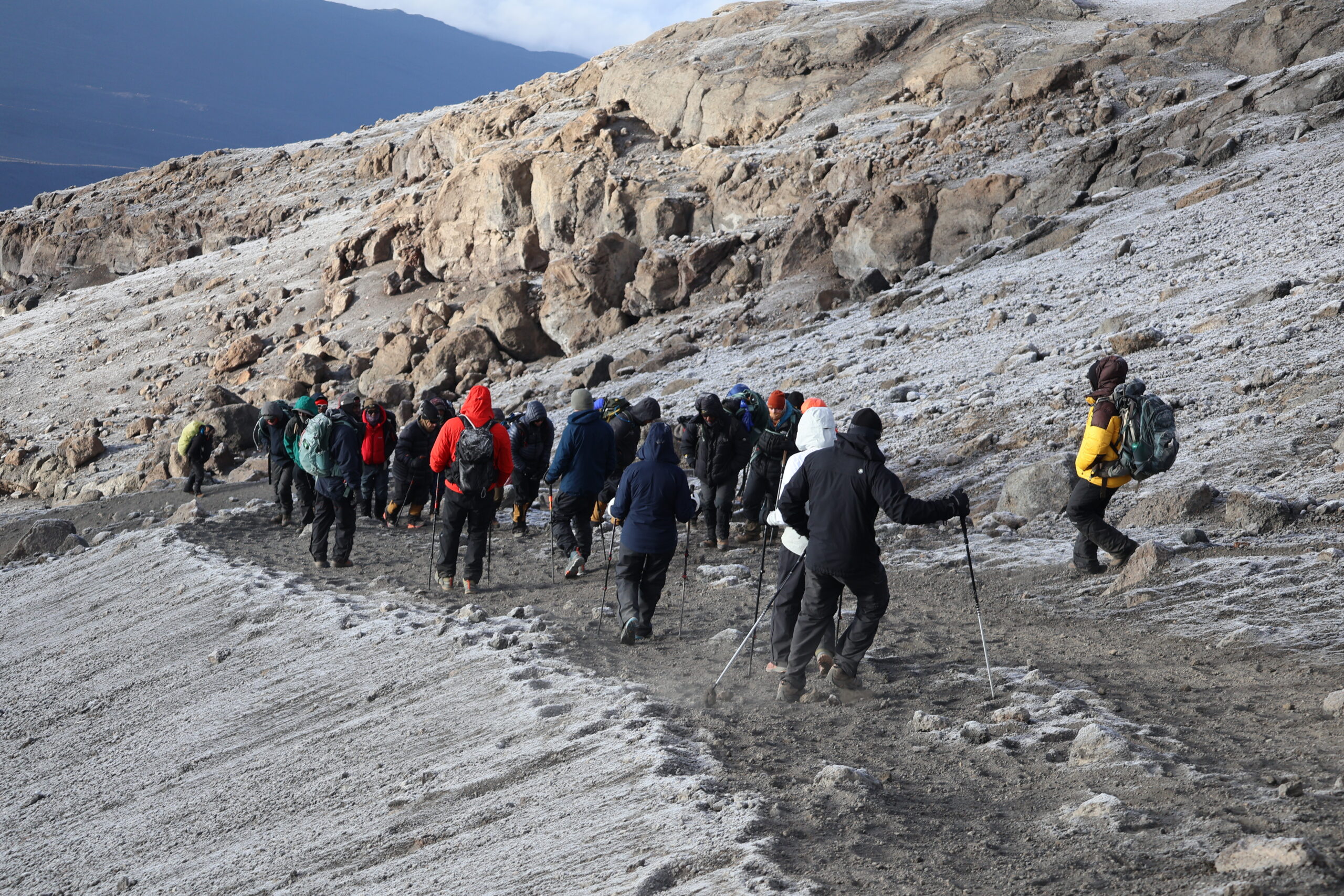
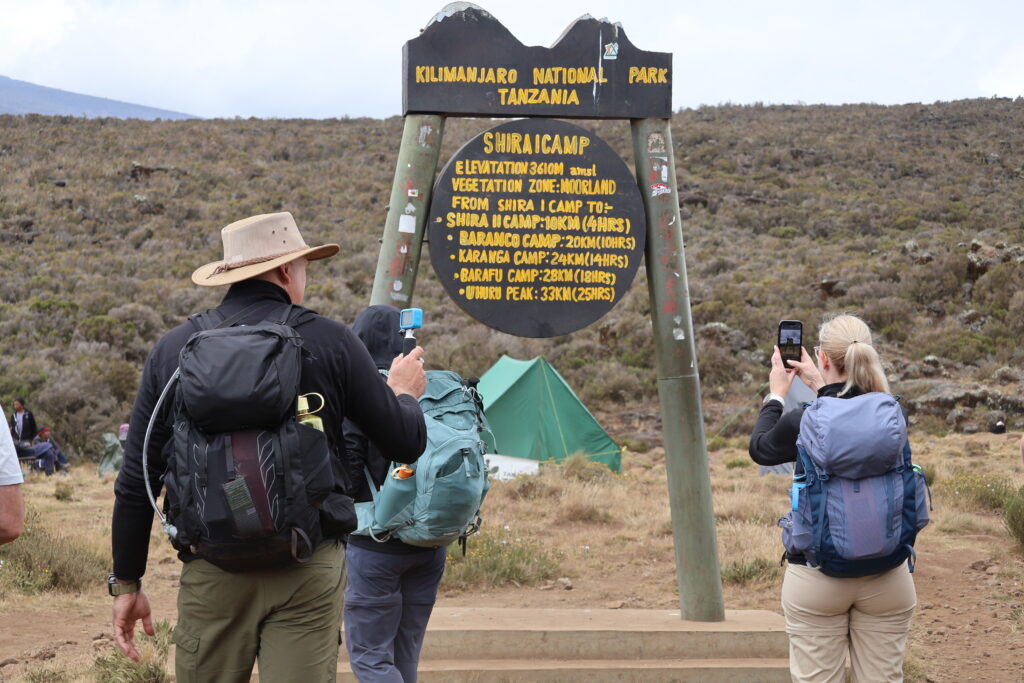
Planning a trek up Mount Kilimanjaro? It requires no technical climbing experience but is a serious test of endurance. Climbers hike 5 to 10 days to reach Uhuru Peak (5,895 meters), relying on proper pacing and hydration to safely manage the altitude.
No technical climbing experience or special equipment is required to summit Mount Kilimanjaro. It is a high-altitude trekking mountain, meaning anyone with reasonable physical fitness and mental determination can attempt it. However, proper preparation, consistent cardio training, and a slow acclimatization pace on the mountain are absolutely essential for success.
Kilimanjaro has seven official climbing routes. The Marangu route is the most popular and only route with hut accommodation. Machame is the most scenic, while Lemosho offers the best acclimatization profile. Rongai approaches from the north and is quieter. The right route depends on your fitness, budget, and available time.
Climbing Kilimanjaro typically takes between five and nine days depending on the chosen route. Shorter routes like Marangu take five to six days, while longer routes such as Lemosho take seven to nine days. Longer routes significantly improve acclimatization, increasing your chances of successfully reaching Uhuru Peak at the summit.
The best times to climb Kilimanjaro are during the two dry seasons — January to mid-March and June to October. These months offer clearer skies, better trail conditions, and more stable weather. December and March can still be manageable. The long rainy season from April to May is best avoided entirely.
Climbing Kilimanjaro costs between $2,000 and $5,000 or more depending on the route, operator, and duration. This typically includes park fees, guides, porters, cooks, meals, and camping equipment. Park fees alone exceed $700 per person. Tipping guides and porters is customary and an important part of the overall budget.
Altitude sickness, or Acute Mountain Sickness (AMS), is the biggest challenge on Kilimanjaro due to the rapid elevation gain. Symptoms include headache, nausea, dizziness, and fatigue. The golden rule is to climb high and sleep low, stay well hydrated, and never ignore worsening symptoms. Descending immediately is the only true cure.
Comprehensive travel insurance that specifically covers high-altitude trekking and emergency helicopter evacuation is absolutely essential for climbing Kilimanjaro. Medical emergencies at altitude can be life-threatening and extremely costly without proper coverage. Ensure your policy covers altitudes above 5,000 meters and includes emergency evacuation, trip cancellation, and medical treatment abroad.
Chat with us