
5 Days Mount Kilimanjaro Climb Marangu Route
Lorem ipsum dolor sit amet, consectetur adipiscing elit. Ut elit tellus, luctus nec ullamcorper mattis, pulvinar dapibus leo.
Lorem ipsum dolor sit amet, consectetur adipiscing elit. Ut elit tellus, luctus nec ullamcorper mattis, pulvinar dapibus leo.
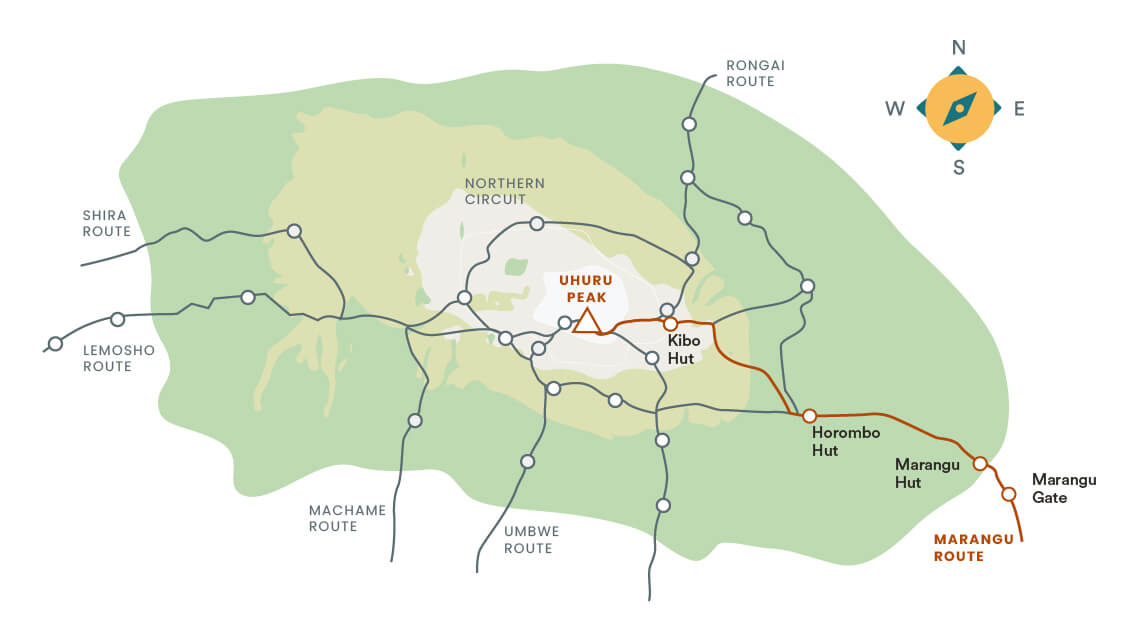
What is expected to experience during the Hiking Kilimanjaro!
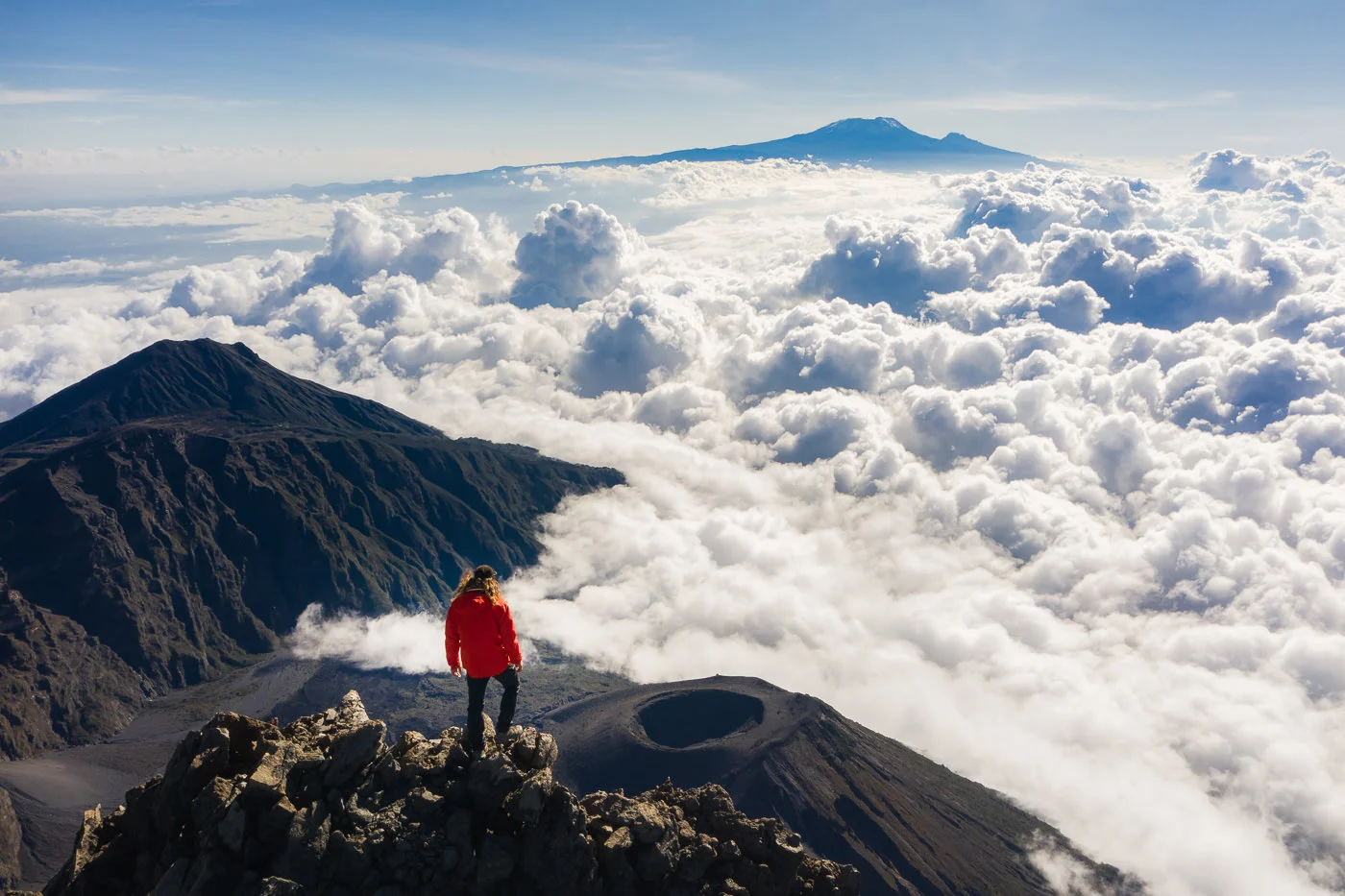
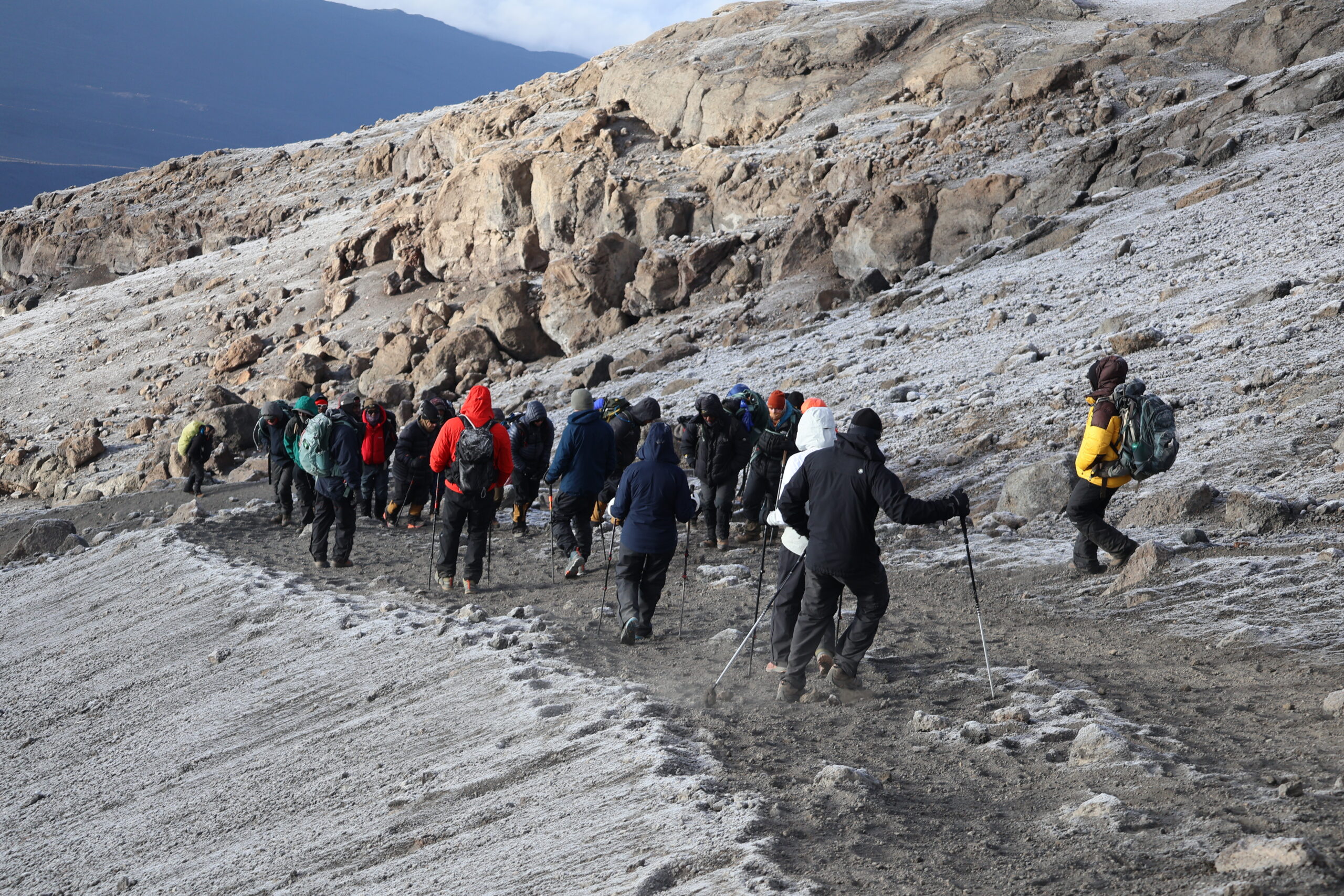
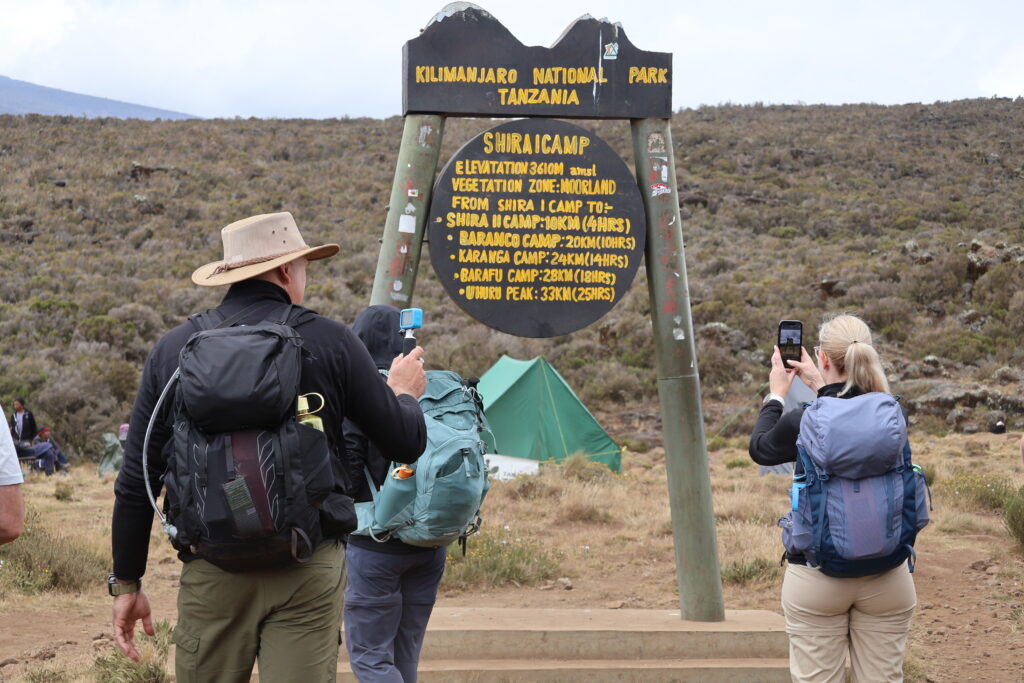
Hiking Mount Kilimanjaro is an extraordinary journey through five distinct climate zones — from lush rainforest and moorland to alpine desert and arctic summit. Each day brings dramatic scenery, physical challenge, and profound personal achievement. Expect cold nights, breathtaking sunrises, and the very real effects of altitude as you ascend. Your experienced guides and dedicated porters support every step of the way, ensuring your safety and comfort throughout. The final summit push to Uhuru Peak at midnight is demanding but deeply rewarding, offering an unmatched sense of accomplishment and unforgettable panoramic views across the African continent below.
Frequently Asked Questions for Mount Kilimanjaro Climbing (FAQ's)
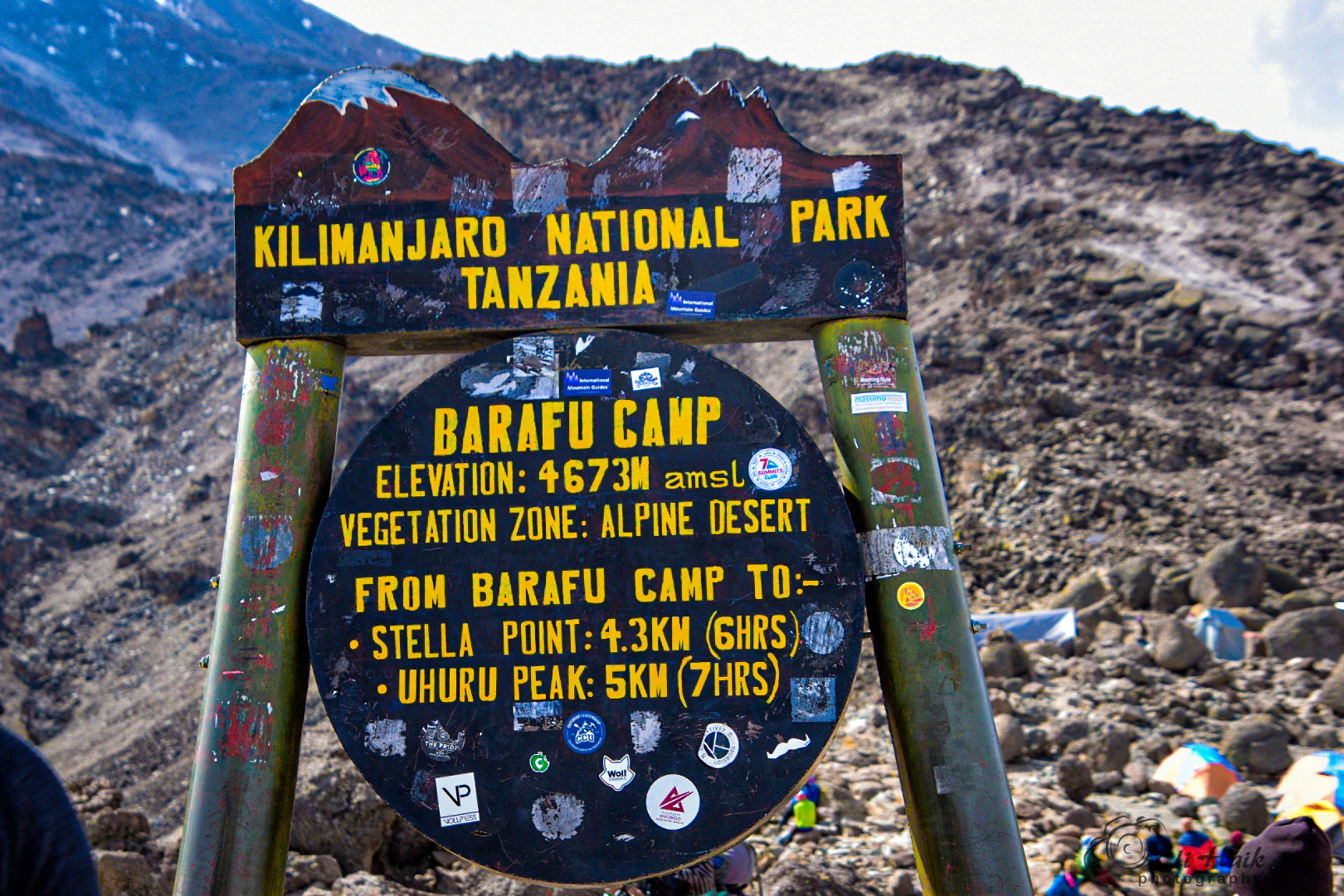
Planning a trek up Mount Kilimanjaro? It requires no technical climbing experience but is a serious test of endurance. Climbers hike 5 to 10 days to reach Uhuru Peak (5,895 meters), relying on proper pacing and hydration to safely manage the altitude.
Do I Need Climbing Experience to Climb Kilimanjaro?
No technical climbing experience or special equipment is required to summit Mount Kilimanjaro. It is a high-altitude trekking mountain, meaning anyone with reasonable physical fitness and mental determination can attempt it. However, proper preparation, consistent cardio training, and a slow acclimatization pace on the mountain are absolutely essential for success.
What is the Best Route to Climb Kilimanjaro?
Kilimanjaro has seven official climbing routes. The Marangu route is the most popular and only route with hut accommodation. Machame is the most scenic, while Lemosho offers the best acclimatization profile. Rongai approaches from the north and is quieter. The right route depends on your fitness, budget, and available time.
How Long Does it Take to Climb Kilimanjaro?
Climbing Kilimanjaro typically takes between five and nine days depending on the chosen route. Shorter routes like Marangu take five to six days, while longer routes such as Lemosho take seven to nine days. Longer routes significantly improve acclimatization, increasing your chances of successfully reaching Uhuru Peak at the summit.
What is the Best Time to Climb Kilimanjaro?
The best times to climb Kilimanjaro are during the two dry seasons — January to mid-March and June to October. These months offer clearer skies, better trail conditions, and more stable weather. December and March can still be manageable. The long rainy season from April to May is best avoided entirely.
How Much Does Climbing Kilimanjaro Cost?
Climbing Kilimanjaro costs between $2,000 and $5,000 or more depending on the route, operator, and duration. This typically includes park fees, guides, porters, cooks, meals, and camping equipment. Park fees alone exceed $700 per person. Tipping guides and porters is customary and an important part of the overall budget.
What Are the Risks of Altitude Sickness on Kilimanjaro?
Altitude sickness, or Acute Mountain Sickness (AMS), is the biggest challenge on Kilimanjaro due to the rapid elevation gain. Symptoms include headache, nausea, dizziness, and fatigue. The golden rule is to climb high and sleep low, stay well hydrated, and never ignore worsening symptoms. Descending immediately is the only true cure.
Do I Need Travel Insurance for Kilimanjaro?
Comprehensive travel insurance that specifically covers high-altitude trekking and emergency helicopter evacuation is absolutely essential for climbing Kilimanjaro. Medical emergencies at altitude can be life-threatening and extremely costly without proper coverage. Ensure your policy covers altitudes above 5,000 meters and includes emergency evacuation, trip cancellation, and medical treatment abroad.