The Lemosho Route offers an 8-day ascent of Mount Kilimanjaro, Africa’s highest peak, and is celebrated as one of the most scenic and least crowded paths to the summit, starting from the remote western side of the mountain. Climbers traverse pristine rainforest, rolling moorland, the striking Shira Plateau, and stark alpine desert, crossing the dramatic Barranco Wall before the final push to Uhuru Peak at 5,895 meters. The extended eight-day duration allows for superior acclimatization, giving Lemosho one of the highest summit success rates among Kilimanjaro routes. Combining camping-based accommodation with breathtaking wilderness views, this route suits trekkers seeking a rewarding, less-crowded, high-success Kilimanjaro climbing experience through diverse and unforgettable landscapes.
You will enjoy an enticing breakfast at the hotel before proceeding from Moshi to Londorossi Gate (1,800m). The three-hour drive travels on an unpaved stretch of bumpy road through the town of Boma N’gombe, and the Sanya Juu village offers motorists an intimate encounter with the natives. After completing the necessary park registration, you will be transported to the initial point of your trek at 2,350m. The glory of the forest is revealed in the illuminating radiance of the sun. Almond-brown trees stand serenely, brimming with a tender glow. Gems of amber encrust the bark exterior. Green canopies deliver shelter for the exotic blue monkeys. The short trek through the rainforest leads to the Mti Mkubwa Camp (2750m).
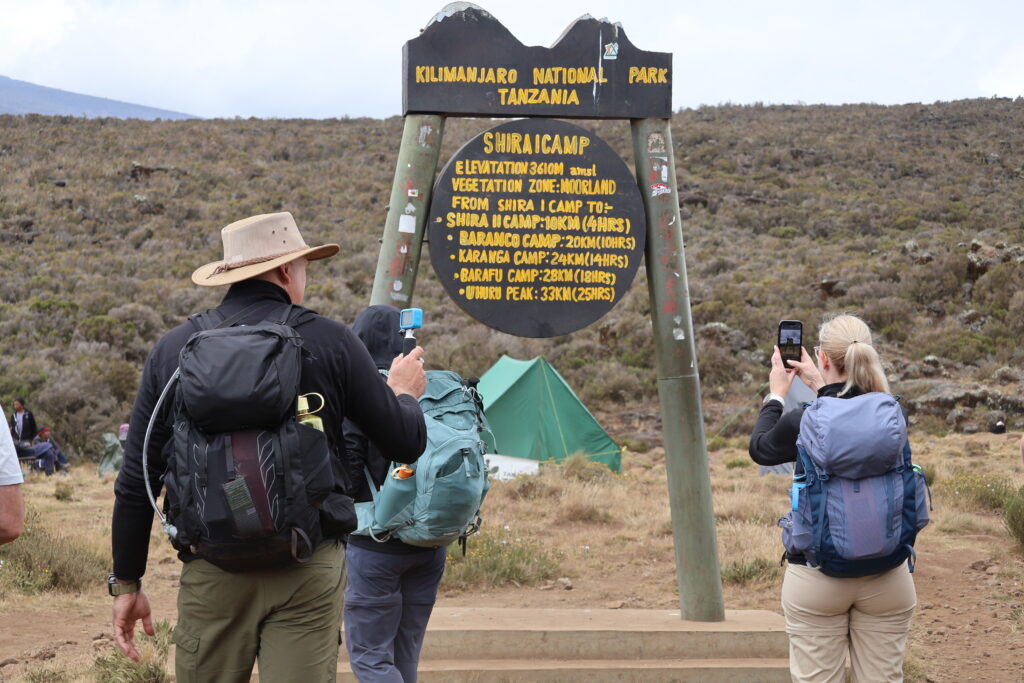
As the trail begins to move towards Shira Camp 1, the scenery transforms dramatically from the lush rainforest to the barren heather moorland zone. The parched landscape is speckled with enormous lobelias, contrasting white fauna and flora, and dusty dunes. We will journey up the steep ridges leading to the Shira Plateau, featuring the glorious views of the looming Kilimanjaro and the raging bloodshot orb of light slowly sinks beneath the horizon of Mount Meru in the west. We will cross several tranquil streams as we continue over the Shira Ridge (3,600m) and on a declining slope to Shira Camp 1.
You will begin the day with a delicious breakfast and trek in an exposed moorland zone. This route is less frequented, making it tranquil and untouched. Reaching Shira Plateau will reveal the stunning views of the peak of Kilimanjaro. The exhilarating sensation of witnessing the summit is magical. A hot lunch will be served at Shira Camp 2 (3,810m). Your guide will lead brief excursions for acclimatisation, and afterwards, you are free to relax.
The Lemosho Route connects with the Machame Route before approaching the molten Lava Tower. The gentle incline leading to the Barranco Camp is encompassed in beautiful scenery and encrusted in vivid desert shrubberies (6-7 hour hike). Shark’s Tooth is an enormous, serrated rock that a volcano discharged thousands of years ago. It is also an indication that we must travel south and cross the light valleys to the immense Lava Tower (4,600m). Specks of snow will gradually scatter themselves on the scenery, and as we descend to Barranco Camp, the frosted landscapes of the Western Breach will begin to sprout. The ashen Barranco Wall is engraved with extraordinary indents, and olive foliage is strewn across the ‘Breakfast Wall’.
The day commences with a simple trek up the astonishing Barranco (200m high). For a short period, you will need to use your hands and feet to scramble up the wall, and upon reaching the surface, you will have an opportunity to marvel at the scenic splendor of the vistas of Kibo. The trail traverses up and down with various shallow streams leading to the flickering, glittery streams of the Karanga River. An appetizing lunch will be served at the Karanga campsite (3,930m). The short trek will assist your acclimatization.
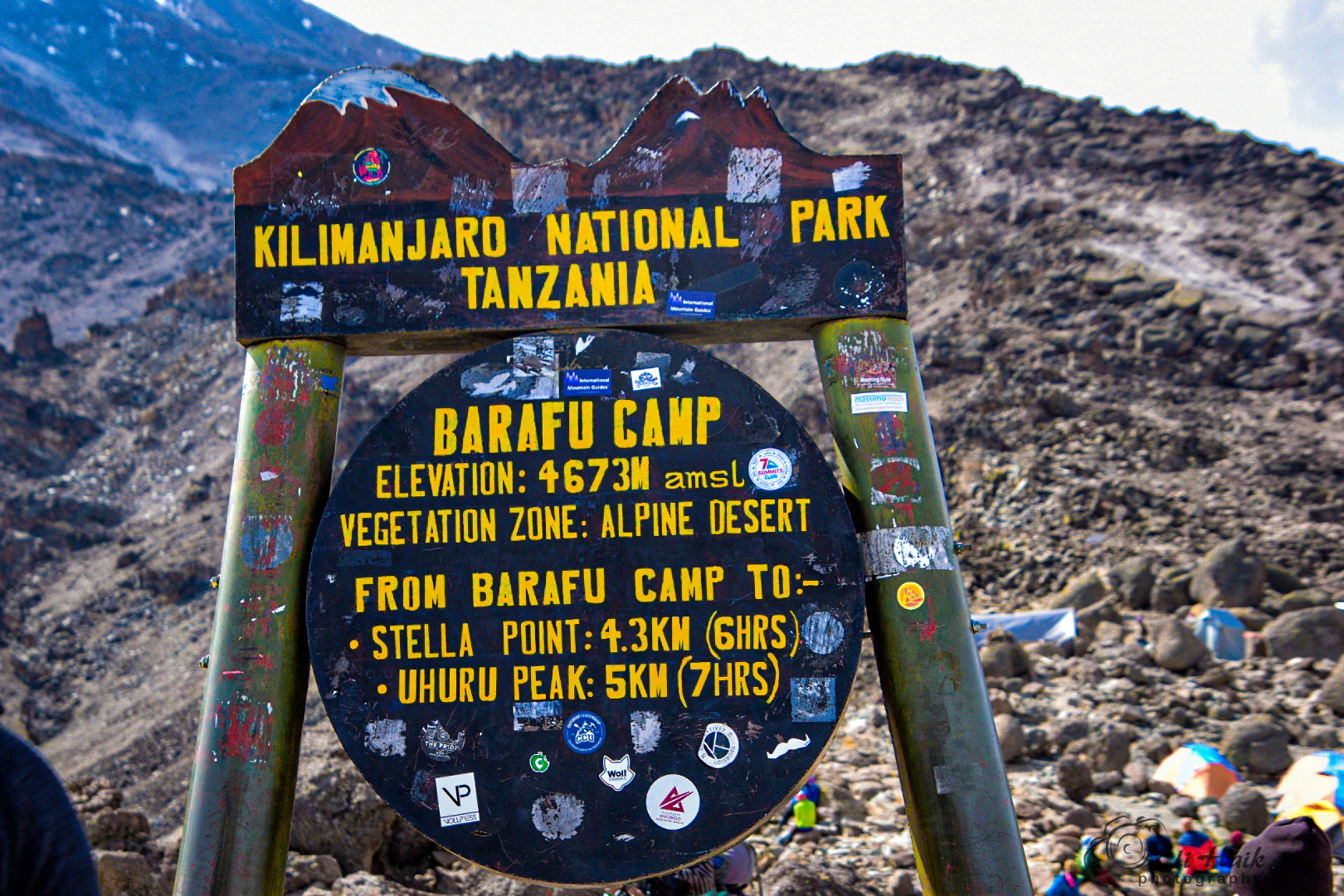
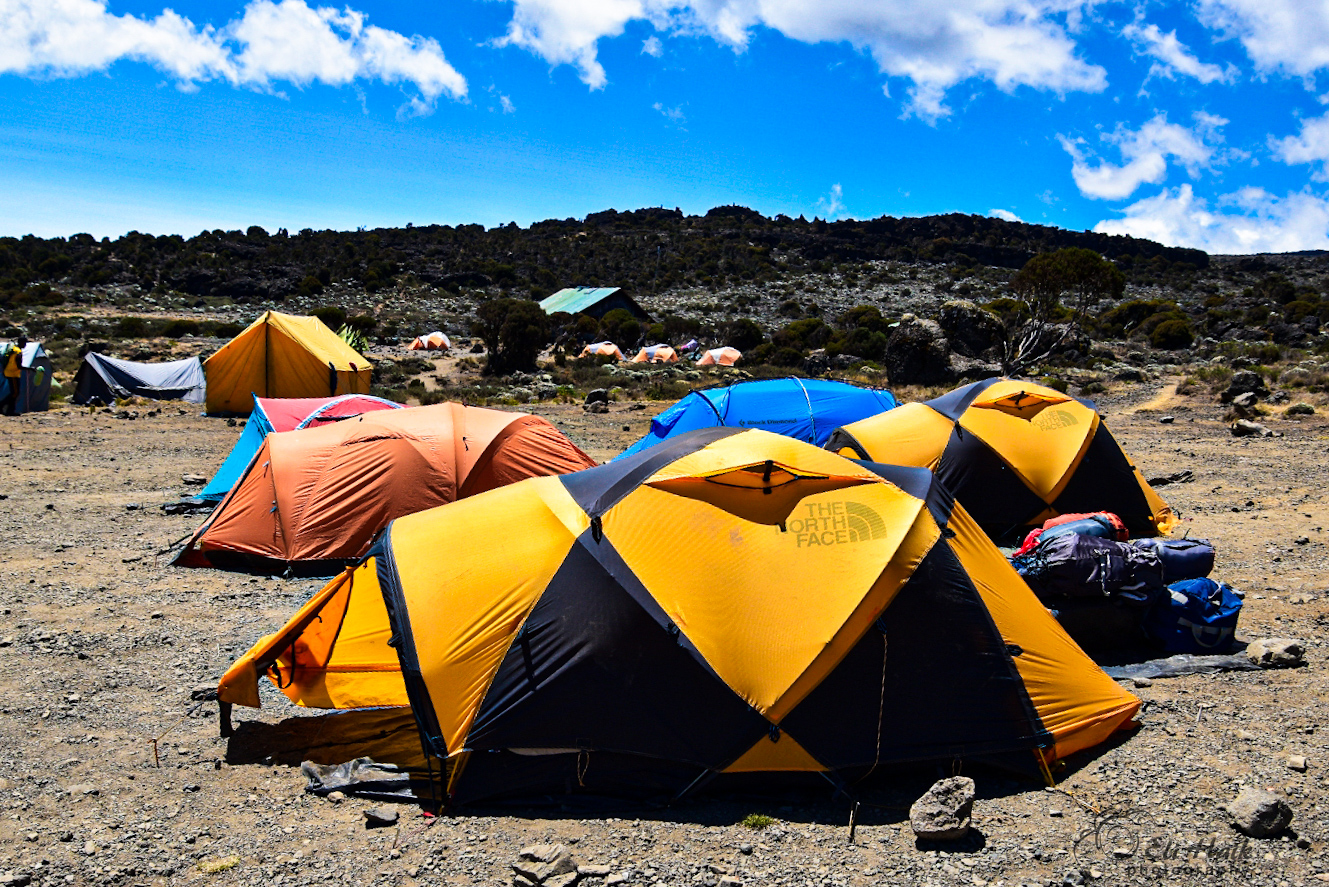
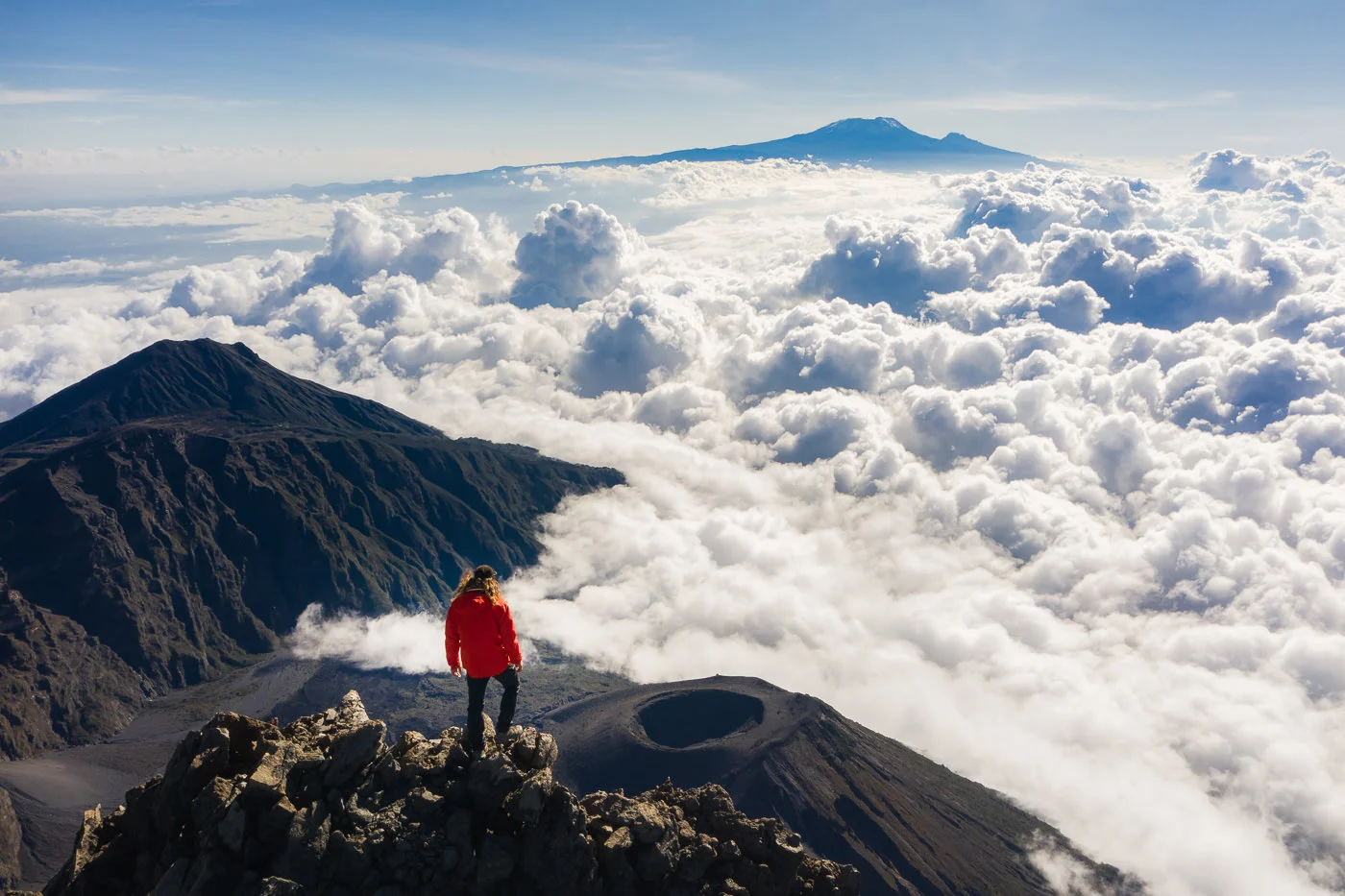
The rocky zone provides an uphill path that features landscapes battered in the crystal glow of the Southern Glaciers. Intersecting with the Mweka route allows us to witness the splendid vistas. A sixty-minute climb up a steep, rock-strewn Lava Ridge is your ticket to the Barafu Camp (4681m). Reaching the camp signifies that you have dominated the Southern Circuit of the mountain, and the enchanting, sky-piercing view of the summit is submerged in an ocean of clouds. The terrain at the campsite resembles an unfinished painting. The landscape is blanketed in a thin layer of snow with sparse vegetation. A substantial, warm meal will be served, and we suggest that you jump into your sleeping bag as soon as possible. We will embark on our journey to the summit at midnight.
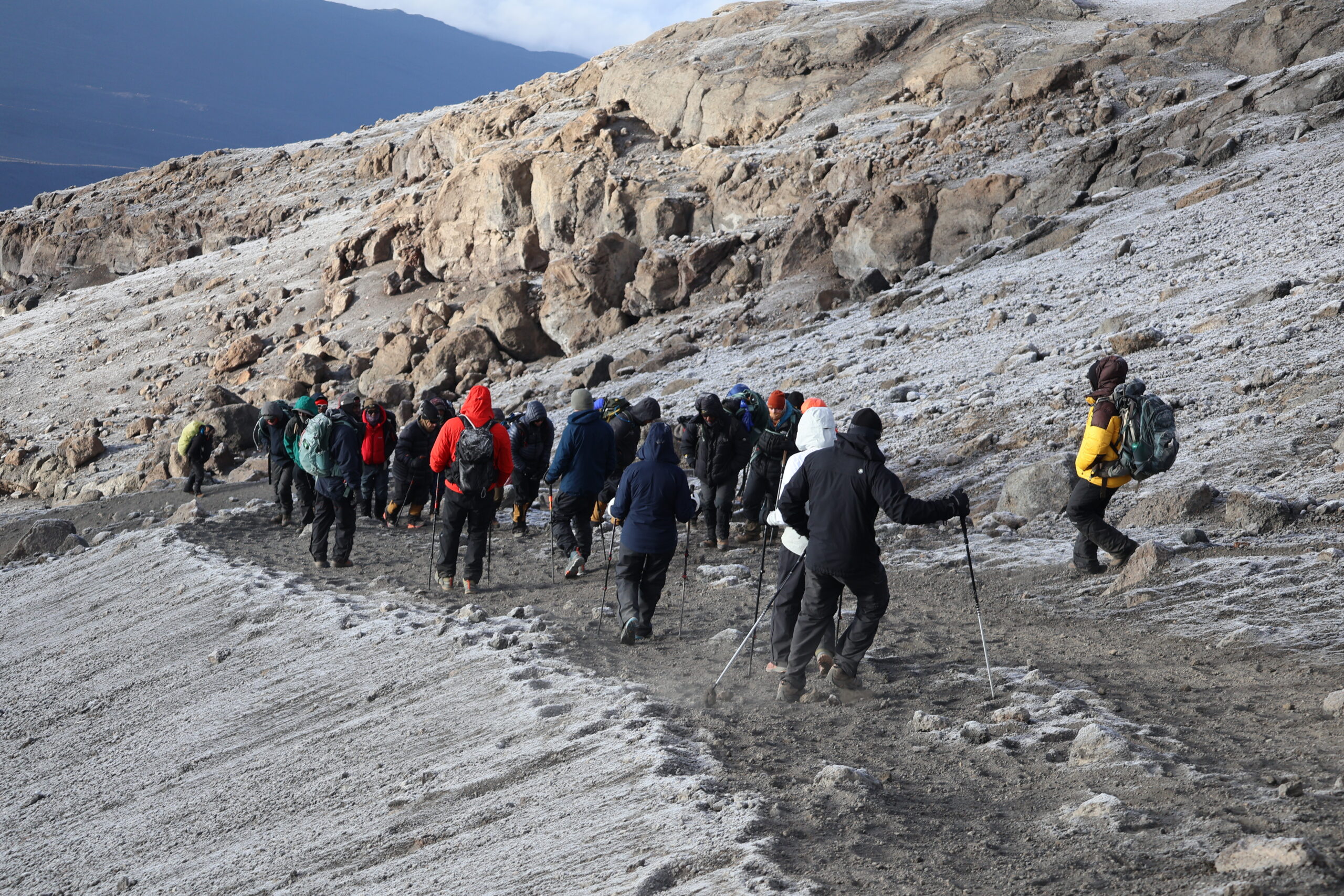
You will be awoken at 11:00 pm, and we will provide you with a light snack and a steaming cup of tea before you begin your 5km trek to the summit. This is an extended hike that lasts approximately 16 hours, making this the most challenging day on the 10-day Kilimanjaro Lemosho Route. Temperatures typically range between 5°C and -10°C. The gradually increasing incline of the valley located near the eerily tranquil scree fields traverses amongst the Rebmann and Ratzel Glaciers – the view is so astounding that the freezing temperatures will be forgotten. At Stella’s Point (5,672m), brilliant gold and orange hues bleed like fire over the rocks. The first sliver of the sun peeks over the skyline in a radiant, white form, and the snow turns liquid gold and silver. After sixty minutes, you will reach the highest point in Africa, Uhuru Peak (5,89m). You will have an opportunity to take some photos and marvel at the surrounding scenery, glinting ice cliffs, and the jagged Mawenzi Peak. Our descent requires us to turn around and embark on the trail to Barafu Camp, where we will have a brief resting period. The spectacular, vast plains of Kilimanjaro are so enchanting that the 9km route to Mweka Camp (3,100m) feels rapid. The route is moderate and lasts four to five hours. As you venture on the declining rocky spree trail, the scenery will start to sprout, and the ice will melt away. The barren landscapes of the moorland will be the first milestone, and dense vegetation and exotic wildlife will begin to radiate as we approach the forest habitat. We will Proceed to the campsite where you can scoff down a scrumptious, piping hot dinner whilst seizing the last opportunity to observe the Milky Way.
The melodies of your porters’ celebration will fill the air whilst you enjoy an appetizing breakfast. The 1,300m descent to the Mweka gate is classified as an easy trek and will only last a few hours. Gold Summit Certificates will be awarded to every member in your group as a small souvenir. Our drivers are a relaxed stroll to the Mweka village away, and they will transport you to the hotel where an invigorating hot shower, plush mattress, and clean clothes await you. Accommodation: The Maridadi Hotel (Bed & Breakfast)
Included in the Package
Excluded from the Package

Hiking Mount Kilimanjaro is an extraordinary journey through five distinct climate zones — from lush rainforest and moorland to alpine desert and arctic summit. Each day brings dramatic scenery, physical challenge, and profound personal achievement. Expect cold nights, breathtaking sunrises, and the very real effects of altitude as you ascend. Your experienced guides and dedicated porters support every step of the way, ensuring your safety and comfort throughout. The final summit push to Uhuru Peak at midnight is demanding but deeply rewarding, offering an unmatched sense of accomplishment and unforgettable panoramic views across the African continent below.
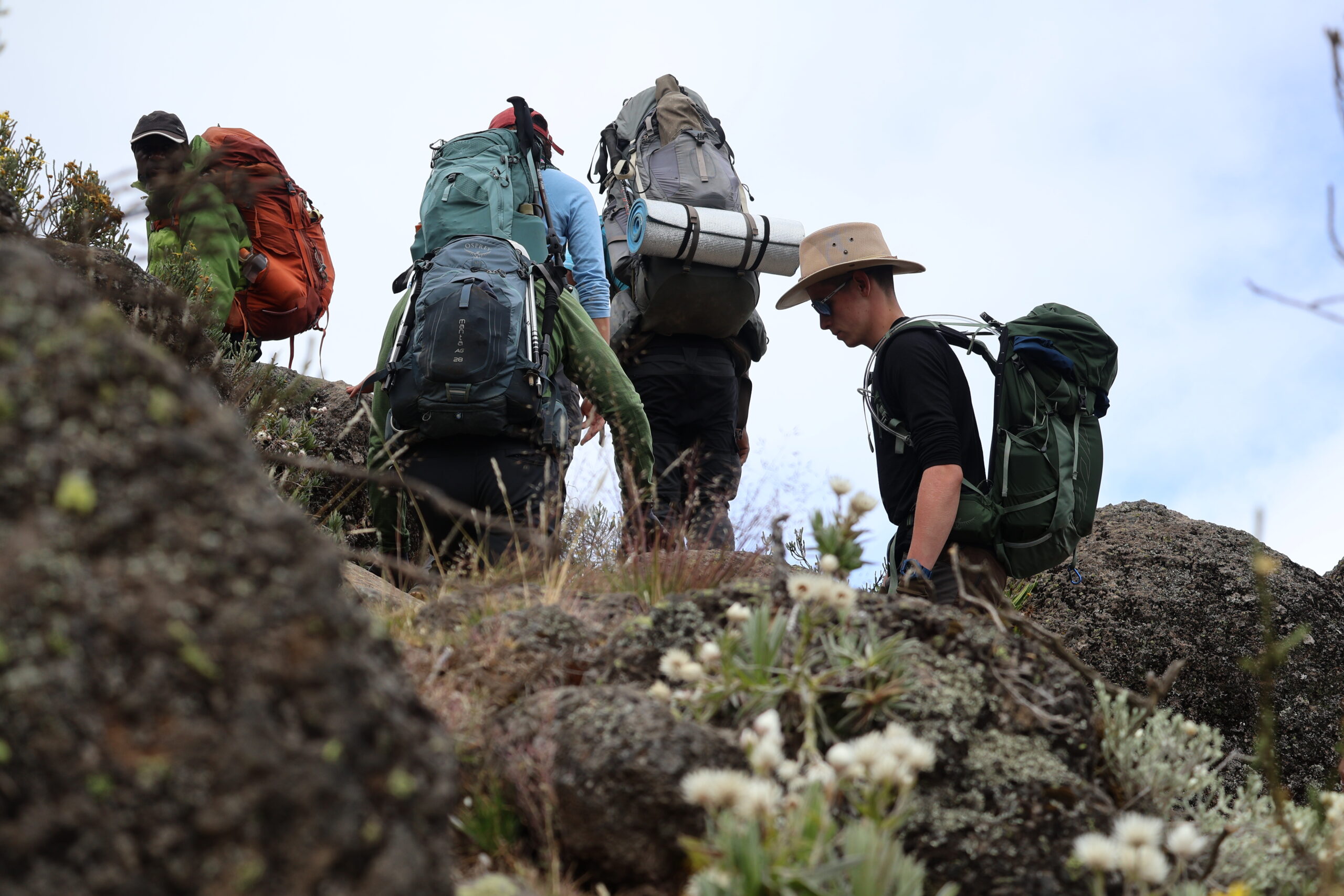
Planning a trek up Mount Kilimanjaro? It requires no technical climbing experience but is a serious test of endurance. Climbers hike 5 to 10 days to reach Uhuru Peak (5,895 meters), relying on proper pacing and hydration to safely manage the altitude.
No technical climbing experience or special equipment is required to summit Mount Kilimanjaro. It is a high-altitude trekking mountain, meaning anyone with reasonable physical fitness and mental determination can attempt it. However, proper preparation, consistent cardio training, and a slow acclimatization pace on the mountain are absolutely essential for success.
Kilimanjaro has seven official climbing routes. The Marangu route is the most popular and only route with hut accommodation. Machame is the most scenic, while Lemosho offers the best acclimatization profile. Rongai approaches from the north and is quieter. The right route depends on your fitness, budget, and available time.
Climbing Kilimanjaro typically takes between five and nine days depending on the chosen route. Shorter routes like Marangu take five to six days, while longer routes such as Lemosho take seven to nine days. Longer routes significantly improve acclimatization, increasing your chances of successfully reaching Uhuru Peak at the summit.
The best times to climb Kilimanjaro are during the two dry seasons — January to mid-March and June to October. These months offer clearer skies, better trail conditions, and more stable weather. December and March can still be manageable. The long rainy season from April to May is best avoided entirely.
Climbing Kilimanjaro costs between $2,000 and $5,000 or more depending on the route, operator, and duration. This typically includes park fees, guides, porters, cooks, meals, and camping equipment. Park fees alone exceed $700 per person. Tipping guides and porters is customary and an important part of the overall budget.
Altitude sickness, or Acute Mountain Sickness (AMS), is the biggest challenge on Kilimanjaro due to the rapid elevation gain. Symptoms include headache, nausea, dizziness, and fatigue. The golden rule is to climb high and sleep low, stay well hydrated, and never ignore worsening symptoms. Descending immediately is the only true cure.
Comprehensive travel insurance that specifically covers high-altitude trekking and emergency helicopter evacuation is absolutely essential for climbing Kilimanjaro. Medical emergencies at altitude can be life-threatening and extremely costly without proper coverage. Ensure your policy covers altitudes above 5,000 meters and includes emergency evacuation, trip cancellation, and medical treatment abroad.
Chat with us