The Machame Route offers a 7-day ascent of Mount Kilimanjaro, Africa’s highest peak, and is widely regarded as the most scenic path to the summit, earning it the nickname “Whiskey Route” for its challenging yet rewarding terrain. Climbers pass through dense rainforest, rolling moorland, the dramatic Barranco Wall, and stark alpine desert before reaching Uhuru Peak at 5,895 meters. Camping-based accommodation and the extended seven-day duration allow for stronger acclimatization, giving this route one of the highest summit success rates among Kilimanjaro options. Ideal for adventurous trekkers seeking breathtaking views and a genuine physical challenge, the Machame Route continues to rank among the most popular and highly recommended choices for climbing Kilimanjaro today.
After breakfast, the clients are taken by vehicles to Machame gate. The clients start to ascend to Machame camp for meals and overnight. It is almost 7-8 walking hours. It covers a distance of 16-19 km. (11 miles). The altitude is 1500 meters (4900ft)-3100 meters (10100ft). Habitat is rain rainforest.
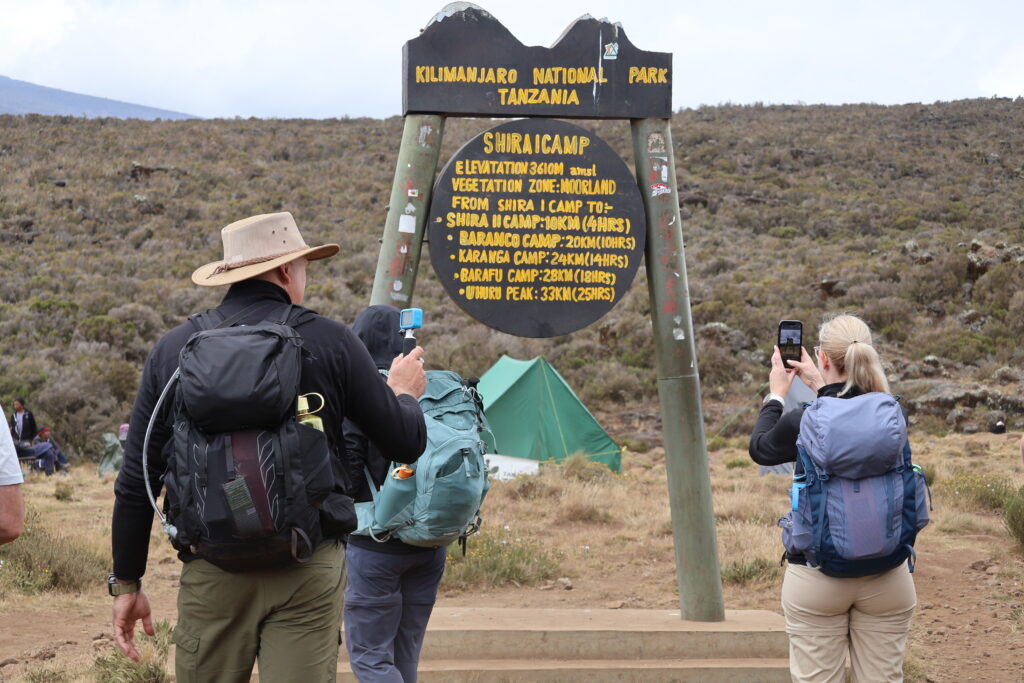
From Machame camp, clients ascend to Shira Camp. The zone passed through is known as the heath zone (Moorland). Meals and overnight are Shira camp. The altitude ranges from 3100 meters (10100 ft) to 3650 meters (12600ft). Approximately 6 hours, and it covers a distance of 9-10 km (6 miles) and features an Alpine Forest and moorland.
Start to ascend into the alpine desert, passing through the lava tower, then descending to Baranco camp. The distance is 14-15 km (9miles), approximately 7 hours to walk. Altitude range to 3850 meters (12600ft) -4600 meters (15100ft). This area is characterized by semi-desert and rocky terrain.
Climb the famous Barranco Wall, then trek across ridges and valleys with views of Kibo’s glaciers before reaching Karanga Camp.
Distance: ~13 km (8 miles) Walking Time: ~4 hours Altitude: 3,950m to 4,160m Habitat: Alpine desert
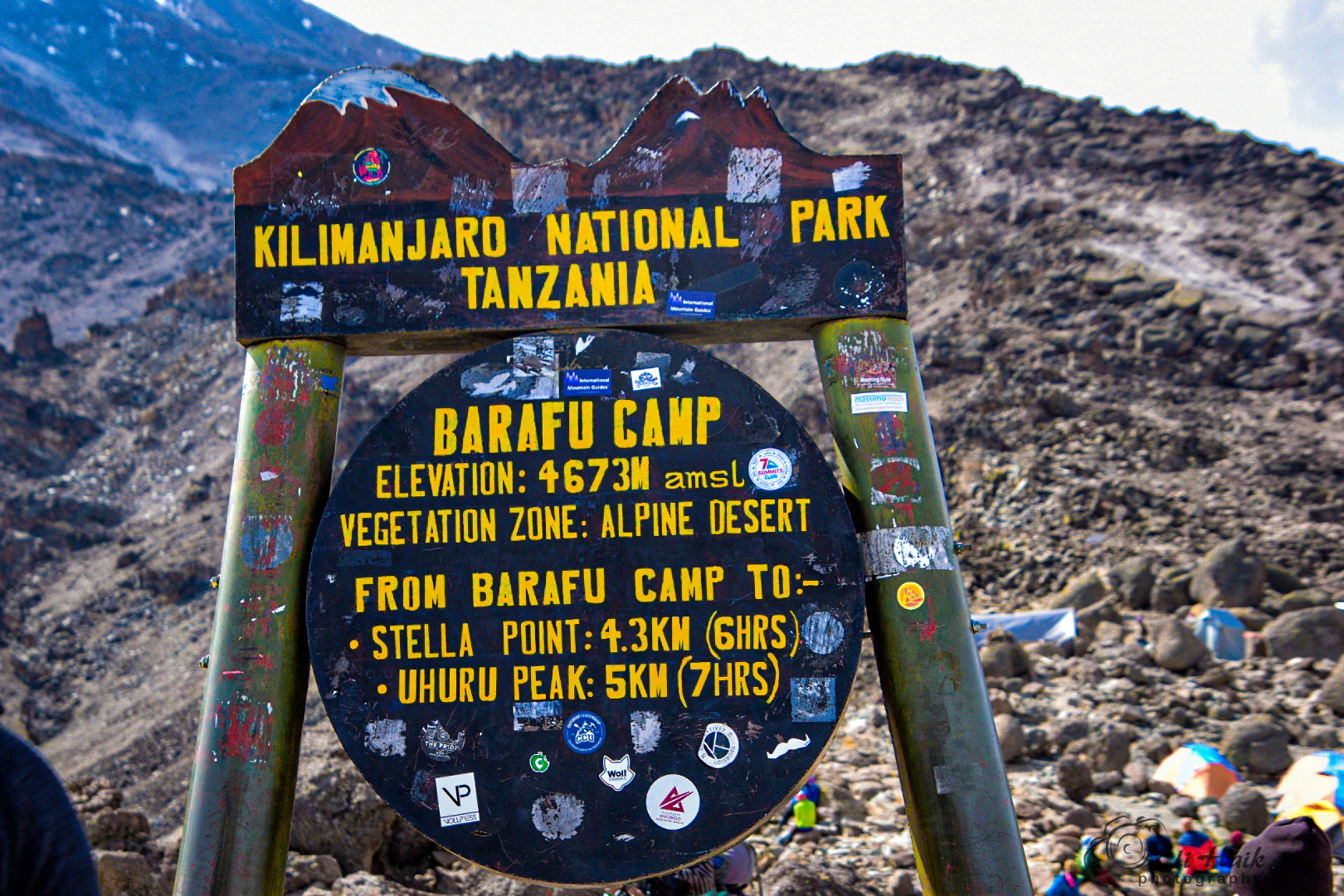
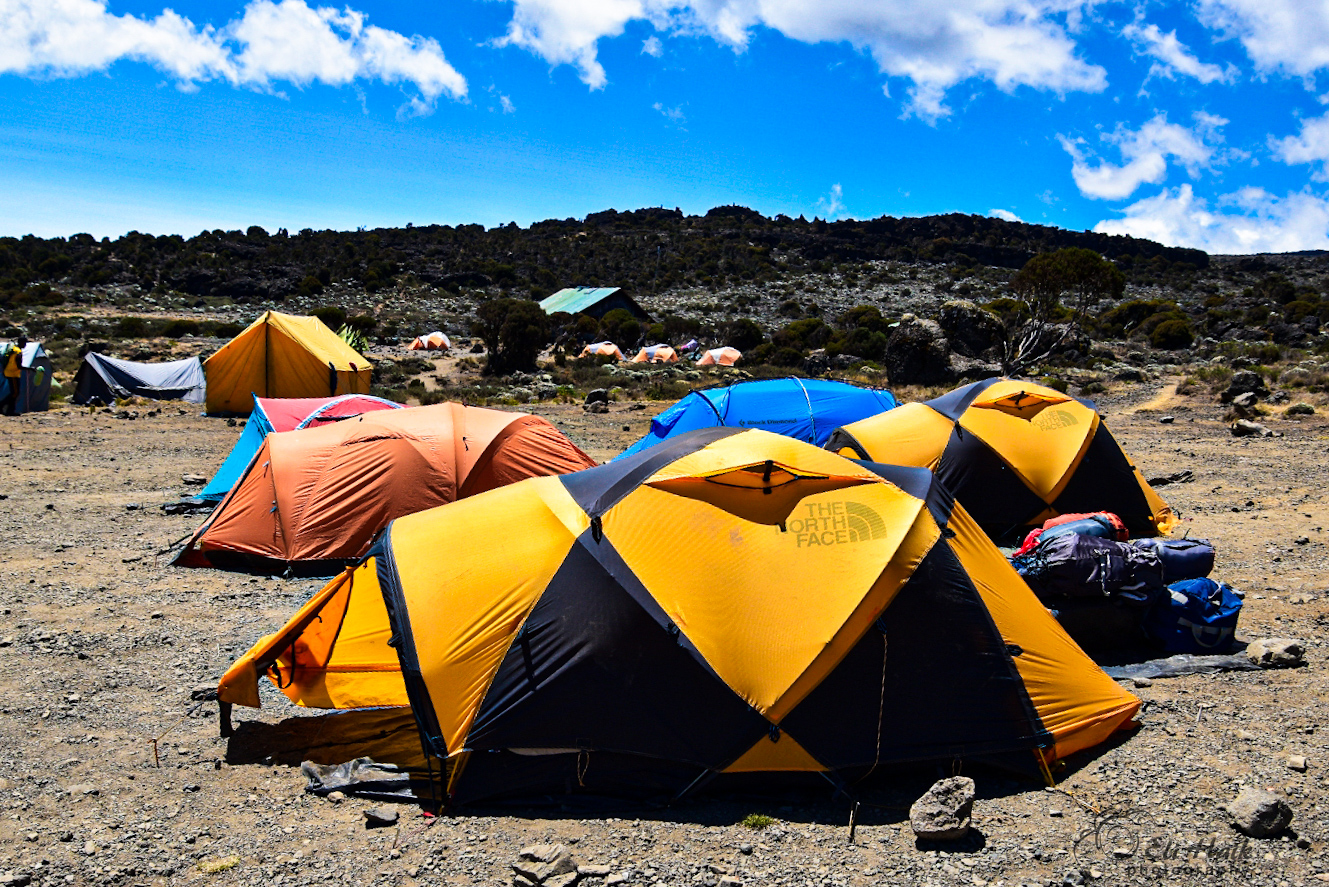
A steady climb leads to Barafu Camp on a narrow ridge. Rest, hydrate, and prepare for your summit night.
Altitude: 4,640m Habitat: Alpine desert
Begin your summit attempt at midnight, reaching Stella Point and then Uhuru Peak, the highest point in Africa. Descend via Barafu to Mweka Camp.
Distance: ~30 km (19 miles) Walking Time: 15–16 hours Altitude: 4,640m to 5,895m down to 3,100m Habitat: Snow, glacier, alpine desert
Certificates: Green at Stella Point, Gold at Uhuru Peak
Final descent through the forest to Mweka Gate, where you’ll receive your summit certificate before transfer back to Moshi for hot showers, meals, and overnight. Distance: ~15 km (9 miles) Walking Time: ~3 hours Habitat: Rainforest
Included in the Package
Excluded from the Package

Hiking Mount Kilimanjaro is an extraordinary journey through five distinct climate zones — from lush rainforest and moorland to alpine desert and arctic summit. Each day brings dramatic scenery, physical challenge, and profound personal achievement. Expect cold nights, breathtaking sunrises, and the very real effects of altitude as you ascend. Your experienced guides and dedicated porters support every step of the way, ensuring your safety and comfort throughout. The final summit push to Uhuru Peak at midnight is demanding but deeply rewarding, offering an unmatched sense of accomplishment and unforgettable panoramic views across the African continent below.
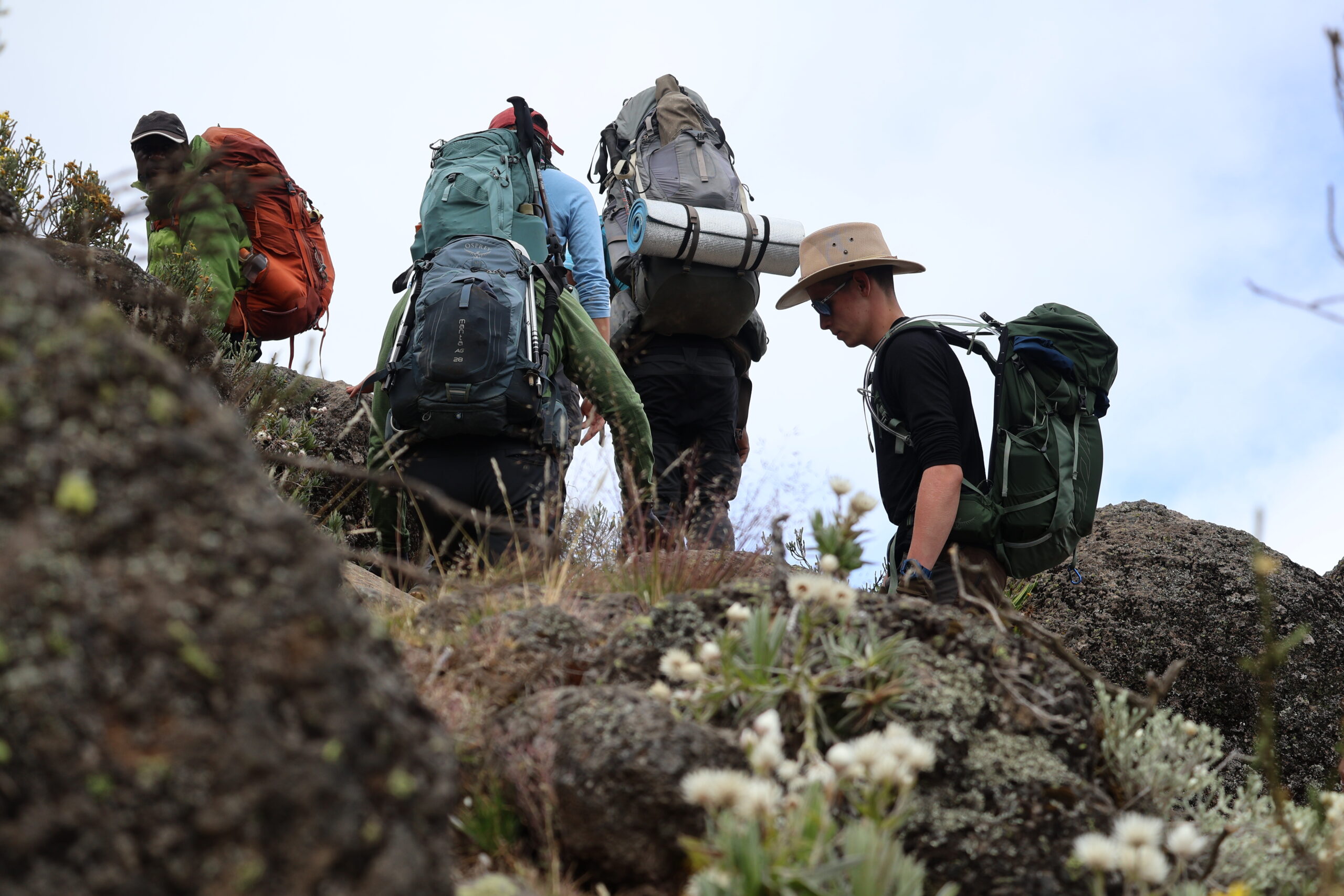
Planning a trek up Mount Kilimanjaro? It requires no technical climbing experience but is a serious test of endurance. Climbers hike 5 to 10 days to reach Uhuru Peak (5,895 meters), relying on proper pacing and hydration to safely manage the altitude.
No technical climbing experience or special equipment is required to summit Mount Kilimanjaro. It is a high-altitude trekking mountain, meaning anyone with reasonable physical fitness and mental determination can attempt it. However, proper preparation, consistent cardio training, and a slow acclimatization pace on the mountain are absolutely essential for success.
Kilimanjaro has seven official climbing routes. The Marangu route is the most popular and only route with hut accommodation. Machame is the most scenic, while Lemosho offers the best acclimatization profile. Rongai approaches from the north and is quieter. The right route depends on your fitness, budget, and available time.
Climbing Kilimanjaro typically takes between five and nine days depending on the chosen route. Shorter routes like Marangu take five to six days, while longer routes such as Lemosho take seven to nine days. Longer routes significantly improve acclimatization, increasing your chances of successfully reaching Uhuru Peak at the summit.
The best times to climb Kilimanjaro are during the two dry seasons — January to mid-March and June to October. These months offer clearer skies, better trail conditions, and more stable weather. December and March can still be manageable. The long rainy season from April to May is best avoided entirely.
Climbing Kilimanjaro costs between $2,000 and $5,000 or more depending on the route, operator, and duration. This typically includes park fees, guides, porters, cooks, meals, and camping equipment. Park fees alone exceed $700 per person. Tipping guides and porters is customary and an important part of the overall budget.
Altitude sickness, or Acute Mountain Sickness (AMS), is the biggest challenge on Kilimanjaro due to the rapid elevation gain. Symptoms include headache, nausea, dizziness, and fatigue. The golden rule is to climb high and sleep low, stay well hydrated, and never ignore worsening symptoms. Descending immediately is the only true cure.
Comprehensive travel insurance that specifically covers high-altitude trekking and emergency helicopter evacuation is absolutely essential for climbing Kilimanjaro. Medical emergencies at altitude can be life-threatening and extremely costly without proper coverage. Ensure your policy covers altitudes above 5,000 meters and includes emergency evacuation, trip cancellation, and medical treatment abroad.
Chat with us